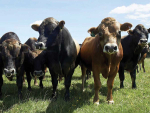
Bull Management: Getting Your Ratios and Health Right
Bull management involves ensuring the right number of healthy bulls for your herd, minimising stress and reducing injury risks.




 increase font size
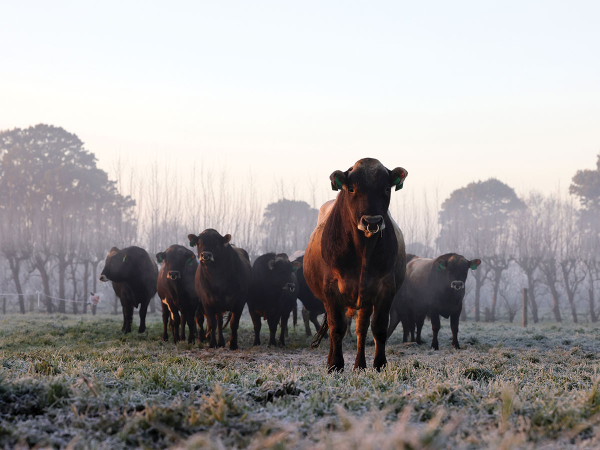 Genetic merit can shift over time and if you’ve pinned your hopes on one sire, your herd’s progress could stall.
A question many farmers ask themselves each year is: do we select individual bulls or take the team approach?
In essence, you're making a decision that won't impact your milk production immediately but will shape the herd you'll be milking in two years' time. So, what cows do you want in your future herd?
Every month, the Animal Evaluation (AE) run incorporated new herd test results and Traits Other than Production (TOP) data. This data gives us a clearer picture of how bulls purchased four years ago are now proving through their daughters' performance. As more data flows in, movements occur. These movements are then reflected in bull teams. Each update ensures farmers have access to the best teams possible, backed by the most up-to-date and reliable information.
These ongoing changes highlight a key point: relying on a single bull is risky. Genetic merit can shift over time and if you've pinned your hopes on one sire, your herd's progress could stall.
By taking a team approach, the average genetic improvement across your incoming replacement heifers will be significantly higher than if you rely on one bull who may shift in his gBW over time. By taking the team approach, you are safeguarding your future herd, as it spreads risk and ensures that your herd's overall genetic progress remains strong and consistent. In short, using a team of bulls protects your future milk production and helps you achieve better long-term results across your replacements.
Our teams aren't just a collection of bulls chosen for their average breeding worth. They are constructed based on minimum criteria. While the team's average gBW reflects what you can expect to see on farm, every bull must first meet minimum thresholds for key individual traits before being considered for inclusion.
The traits we focus on are those that matter most to farmers: milksolids, fertility, liveweight, capacity and udders. By selecting bulls that exemplify these traits, we ensure you see ongoing improvement in the areas that matter most.
Take the LIC KiwiCross Forward Pack as an example. Within this team, the lowest fat kg BV in the team is delivering 28kg more than the 2015 base cow, while the highest is delivering a massive 68kg. Given the criteria used to select these teams and the strong genetic merit of the bulls within them, we are confident there's a team to suit everyone's needs.
Even if you're not the one making breeding decisions right now, this is an area worth understanding as you move forward in your farming career. The choices made today shape the herd you'll be working with for years to come. Genetics isn't just about numbers, it's about building a herd that delivers long-term profitability consistently.
David Power is LIC's product manager - Dairy Genetics.
Bull management involves ensuring the right number of healthy bulls for your herd, minimising stress and reducing injury risks.


National’s pledge to introduce 19 new national standards shows the party is serious about getting Wellington out of farming, Federated Farmers says.
The National Party’s policies to make it easier to grow fresh vegetables, secure reliable water and energy and simplify farm planning are practical changes that will give growers the confidence to invest, according to Horticulture New Zealand (HortNZ).
Fonterra Co-operative Group chief financial officer Andrew Murray has resigned to take up a role outside the dairy giant.
A major move is about to get underway to improve the quality and viability of dairy beef and cattle in NZ.
Veterinarians say changes to the code of welfare for dairy cattle provides a positive foundation for improved cattle welfare across the country.
Today, 15 October, is the International Day of Rural Women, which recognises rural women’s contribution to farming, communities and the environment.
OPINION: It seems Canterbury processor Synlait is still in the doldrums.
OPINION: Get offside with New Zealand First leader Winston Peters at your own peril.




