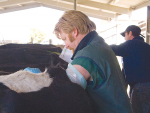
More funding for vet graduates in rural areas
A total of 34 graduate vets will be placed in rural areas this year, from Northland to Southland, through the Government's Voluntary Bonding Scheme for Veterinarians (VBS).




 increase font size
 BVA president Sean Wensley.
The British Veterinary Association (BVA) is urging UK governments to protect the status of EU veterinary surgeons and veterinary nurses who are currently living and working in the UK.
Almost half of veterinary surgeons registering in the UK qualified from veterinary schools elsewhere in the EU, according to statistics from the Royal College of Veterinary Surgeons (RCVS).
To highlight the impact of the EU referendum outcome on the veterinary professions, BVA has written to the Secretary of State, Liz Truss MP, and to Ministers in Scotland, Wales and Northern Ireland, requesting an early statement to the effect that non-British EU vets and vet nurses who are currently living, studying or working in the UK will continue to be able to do so in future.
BVA is also seeking reassurance for UK veterinary professionals working and studying in other EU member states.
BVA president Sean Wensley said: "It is not yet possible to comment on the reality of 'Brexit' since much will depend on forthcoming negotiations and the decisions that will be taken by the Government regarding, for example, whether or not to maintain existing EU legislation and rules. However, we recognise that these unanswered questions are having a profound impact on many of our members – particularly members who are non-British EU citizens, or have family members who are, and members who work alongside colleagues from other European Member States."
Commenting on the potential impact of Brexit on veterinary surgeons working in the public health sector, VPHA President Lewis Grant says: "Due to the particular focus on public health in many European veterinary degree courses, EU vets make an enormous contribution to both public health and animal health and welfare in the UK - often behind closed doors, monitoring and protecting public health in Approved Premises as well as welfare at slaughter to ensure slaughterhouses meet the standards that are required by law and expected by the public. Without their input and expertise, it would be difficult to ensure that Statutory requirements within the food industry are complied with."
BVA is working with other bodies to discuss the implications of Brexit for the veterinary professions, and the key issues that should be raised in forthcoming discussions and negotiations. BVA members are being encouraged to share their feedback on BVA's community forum under the dedicated 'What do you think 'Brexit' could mean for the veterinary profession?' discussion.
A total of 34 graduate vets will be placed in rural areas this year, from Northland to Southland, through the Government's Voluntary Bonding Scheme for Veterinarians (VBS).
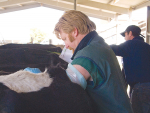
Border restrictions are putting a roadblock in the way of getting more veterinarians to New Zealand and some are even choosing to go to Australia instead, a recruitment consultant says.
Agriculture and Trade Minister Damien O'Connor is off to Europe soon to try and breathe some life into free trade talks between NZ and the UK, and NZ and the European Union.
OPINION: Former NZ agriculture and trade minister, and ex-High Commissioner to the UK, Lockwood Smith, was the only non-UK member of the UK Trade & Agriculture Commission (TAC), which was tasked by Secretary of State for International Trade, Liz Truss, to look at finding a way forward of Britain supporting trade liberalisation, while ensuring UK standards are not undermined.
The United Kingdom-European Union agreement – announced late last year –on post-Brexit trade arrangements will deliver certainty.


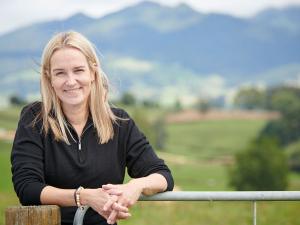
Minister of Conservation Hon Tama Potaka has appointed Susan O'Regan as Chair of the Queen Elizabeth II National Trust (QEII) for a three-year term.
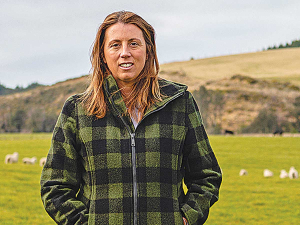
Red meat farmers are welcoming Labour’s plan to review the Emissions Trading Scheme and not to campaign on pricing agricultural emissions.
Where any worker in the kiwifruit industry is mistreated, we expect the authorities to take action.
Mid Canterbury Federated Farmers arable chair, Bevan Lill, said Beef + Lamb NZ data indicated that for the last six years, the average arable return on investment was about 0.8% while inflation ran about 4% - so the average arable farm was going backwards at about 3% a year.
Seed and grain companies share the concerns of arable farmers about the viability of their sector, says Seed and Grain New Zealand chief executive Dr Sarah Clark.
The New Zealand Institute of Forestry (NZIF) says unnecessary changes to New Zealand’s Emissions Trading Scheme (NZ ETS) will seriously erode investor confidence and result in significant reductions in forest planting rates.


OPINION: The same mainstream media muppets that brought you Jacindamania in 2017 have been flat out pimping for the Opportunities…
OPINION: Your old mate reckons the atrocious way farmers in the UK are treated by their lords and masters in…