India FTA Unites NZ First, Greens
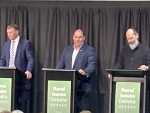
National’s much-touted free trade deal with India featured in the Rural Issues Debate at Mystery Creek, Hamilton on Wednesday night.




 increase font size
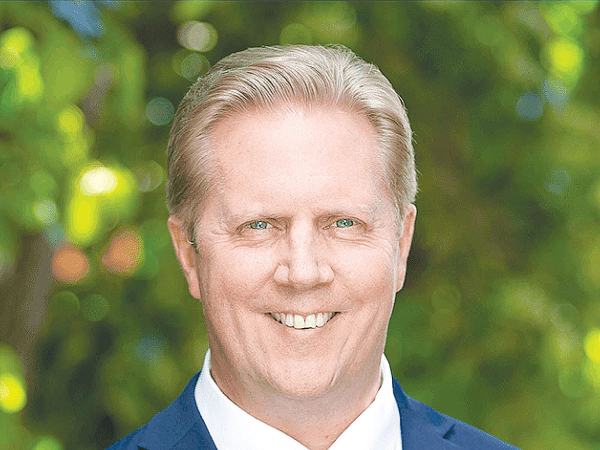 Trade Minister Todd McClay
OPINION: After much wrangling, the Free Trade Agreement (FTA) between New Zealand and India is a step closer to fruition.
The recent signing at a lavish ceremony in India means NZ primary sector exporters can breathe a sigh of relief.
Kudos also to National and Trade Minister Todd McClay for delivering the trade deal just as promised during the 2023 election campaign.
For the red meat sector, the FTA will expand New Zealand red meat exporters’ trade options in a challenging global environment.
Exporters are operating in a world of rising protectionism and ongoing volatility. Having a broader mix of markets and expanding reach will help spread risk and provide more stability for farmers and exporters.
India remains a market with significant long-term potential and with strong promise.
Now the world’s most populous country and is expected to become the third-largest economy within the next five years. As incomes rise in India, so will demand for high-quality natural protein.
NZ sheepmeat exports to India currently face 30% tariff and these will come down progressively. The FTA also delivers better market access for apples, kiwifruit, wool, forestry products, and honey.
But the signing of the FTA is just a start.
The full benefits of the agreement will require ongoing commitment from both government and industry.
India remains a complex and highly competitive market, and success for New Zealand lies in sustained commitment, local partnerships and a long-term approach.
Trade agreements only work when they’re underpinned by trusted business-to-business relationships.
Minister McClay and his team have done the hard yards. Now, it’s time for everyone else to put their shoulders to the wheel.
While two-way India-New Zealand trade sits at just NZ$3.7 billion a year, India is on track to become the third largest economy in the world in coming years. The scale of the opportunity for New Zealand businesses is huge.
National’s much-touted free trade deal with India featured in the Rural Issues Debate at Mystery Creek, Hamilton on Wednesday night.

Chinese beef trade quotas and a looming suspension of Brazilian beef imports into the European Union are expected to reshape global beef trade flows over the remainder of 2026, with implications for New Zealand exporters, according to Rabobank's Q3 Global Beef Quarterly report.
Just a matter of hours after Indian Prime Minister Narendra Modi's historic trip to New Zealand, the political doors in India swung wide open for Associate Minister of Agriculture, Mark Patterson, who was there to help promote our high-quality coarse wool.
Eighteen months ago, when negotiations for a free trade deal with India were announced, New Zealand apple growers expressed their desire to be part of the deal.
With the New Zealand/India Free Trade Agreement (FTA) dominating political debate here, India Prime Minister Narendra Modi will be visiting New Zealand next week.


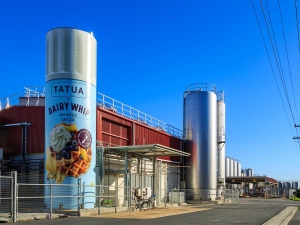
Waikato milk processor Tatua has again declared a record milk payout to farmer shareholders, leaving other processors in the dust.

A Labour-led Government won’t be bringing back the controversial freshwater rules of 2020.
National’s much-touted free trade deal with India featured in the Rural Issues Debate at Mystery Creek, Hamilton on Wednesday night.
New Zealand's 2026-27 freshwater fishing season has opened, with anglers encouraged to head to rivers and lakes over the coming days as conditions look favourable across much of the country.
Central Otago District Council (CODC) has voted against a plan to spread treated sewage sludge from Cromwell and Alexandra on farmland near Lauder, a decision Federated Farmers says reflects strong opposition from rural residents.
Pāmu has released its FY26 Integrated Annual Report, reporting a Net Operating Profit of $113 million, more than double the $49 million recorded in FY25.




OPINION: The same mainstream media muppets that brought you Jacindamania in 2017 have been flat out pimping for the Opportunities…
OPINION: Your old mate reckons the atrocious way farmers in the UK are treated by their lords and masters in…