The situation in the Middle East has been a major influence on markets over recent months and the market for key farm inputs continues to move at pace, with pricing and availability shifting quickly across several key products, according to a major stockfood seller.
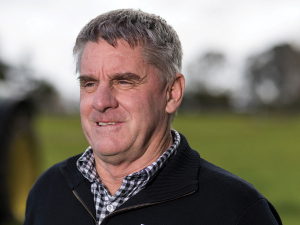
“One of the most notable trends we are seeing right now is the level of uncertainty in forward ordering, and how differently customers are responding to it,” says Joe Hardman, stockfood sales manager for J Swap Stockfoods.
Market Uncertainty Driving Farmer Decisions
The Iran-US situation remains volatile, with sentiment shifting quickly with each new headline.
Hardman says this constant flow of news is making it difficult for markets to find any real footing. He says the unpredictability around what comes next, more than the events themselves, is driving behaviour, and many farmers are acting now to secure supply and manage price risk.
“A significant portion of our market has already taken a position,” he says.
“Many customers have chosen to secure tonnage well in advance, locking in supply to manage the risk of further price increases and potential availability constraints. This early commitment reflects a growing awareness that waiting for certainty in this environment can come at a cost.”
Shipping Constraints Driving Price Pressure
A key factor underpinning the current market is the ongoing reluctance from shippers to lock in forward freight rates.
Hardman says, with volatility still present across global shipping lanes, many carriers are hesitant to commit to fixed pricing too far out, preferring to “keep optionality rather than risk being caught on the wrong side of further market movement”.
“This hesitation is flowing directly into forward product pricing,” he says. “Without firm freight locked in, our suppliers are having to price in a level of risk, which is keeping forward values elevated.”
In simple terms, until shipping costs become more predictable and shippers are willing to commit, it’s unlikely we’ll see any meaningful softening in forward pricing, he says.
“Our approach remains focused on transparency and communication. We will continue to provide up to date insights as the market evolves, along with clear pricing signals where we have them. For customers still considering their position, the key is balancing risk, weighing the cost of committing now against the potential exposure of waiting.
“There is no one-size fits all answer in this market, but doing nothing is increasingly becoming a decision in itself.”