International Day of Rural Women: Two DairyNZ Farmers’ Stories
Today, 15 October, is the International Day of Rural Women, which recognises rural women’s contribution to farming, communities and the environment.




 increase font size
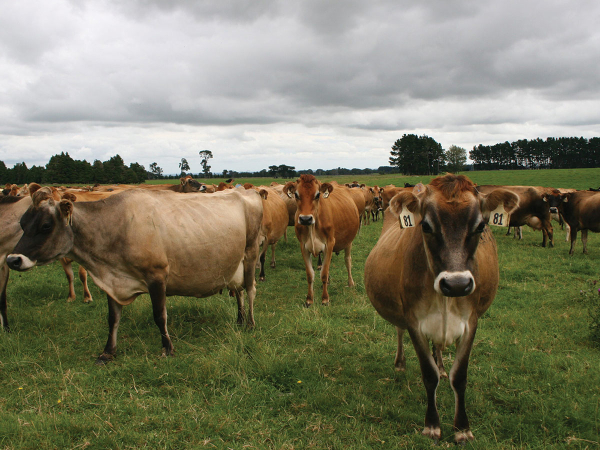 National cow numbers peaked around 2014 and have since flattened or declined.
Genetics plays a central role in helping farmers lift per-cow productivity over time.
National cow numbers peaked around 2014 and have since flattened or declined, driven by tighter environmental regulations, economic pressures and land-use change. As a result, much of the growth in milksolids production is increasingly coming from lifting performance per cow rather than running more cows.
It’s all about efficiency rather than scale, says NZ Animal Evaluation geneticist Becky Curry. That means cows that produce more within the same system and environmental limits.
“New Zealand cows are already producing more milksolids than they were in 2005,” she says.
“That lift has come from two main areas: changes in farm management – including feeding, animal health and milking practices – and steady genetic improvement by selecting each new generation of cows with higher production potential than the last.”
Around two-thirds of the increase in per cow actual milksolids produced can be traced back to changes in the national herd’s genetics. It shows the central role genetics plays in helping farmers and the wider sector lift productivity and efficiency over time.
Traditionally, it takes around five years for a bull to receive proven breeding indexes through daughter-proving schemes. But with genomics, bulls can be identified earlier and become widely available within two to three years.
This allows high BW bulls to be used earlier, shortening the time between generations and accelerating genetic gain.
“A higher rate of genetic gain means more offspring with the traits farmers are selecting for, in a shorter period,” Becky says. “That supports higher productivity, improved efficiency and better long-term sustainability.”
Genomics also gives farmers greater agility.
“It allows faster responses to market demands, climate pressures and economic conditions, and makes it easier to pivot breeding decisions if farm goals change.”
The Industry Working Group (IWG) report, published in mid-2024, found that New Zealand was lagging behind other international dairy nations in the use of genomics and, therefore, in our rate of genetic gain. This was largely due to lower confidence in genomically evaluated young sires.
Confidence is expected to improve as tools and systems continue to develop, including the OneBW project. Currently, the presence of multiple BW calculations in the marketplace can create confusion for farmers comparing bulls across providers. OneBW brings genomic and non-genomic evaluations together into a single BW index, independently verified (by DairyNZ) for accuracy and published consistently by all parties.
The project sits within the Future Focused Animal Evaluation (FFAE) programme, where DairyNZ, NZ Animal Evaluation, LIC and CRV are working together to address the challenges identified in the IWG report.
Article- DairyNZ
Today, 15 October, is the International Day of Rural Women, which recognises rural women’s contribution to farming, communities and the environment.
The first major update to the Dairy Cattle Code of Welfare in more than a decade has been released, marking what DairyNZ describes as an important step in ensuring animal welfare standards continue to evolve alongside scientific evidence and on-farm realities.
Have a plan in place for your cows and staff.
DairyNZ deputy chair Cameron Henderson has been re-appointed unopposed for another term.
OPINION: The stats speak for themselves.

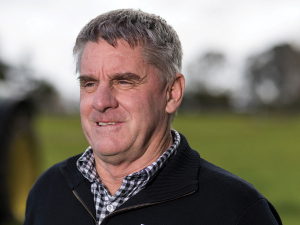
Federated Farmers has welcomed new rural policies released by ACT, saying they align closely with its own election priorities.

Rural Contractors NZ says proposed changes to land transport rules for agricultural vehicles are a welcome response by the Government to out of date regulations which have seen members hit with huge fines.
Alliance is calling for final applications for its 2027 Graduate Programme, with applications closing on Sunday 25 October.
Decades piloting planes has ensured vet and farmer David Hayes is focused on safety. So, after a serious accident while welding on farm, he is sharing his experience so others can learn from it.
Canterbury milk processor, Synlait Milk has confirmed Leon Fung as its chief executive officer.
OPINION: Making it easier to collect rainwater and use it to grow crops and livestock is a no brainer.

OPINION: The same mainstream media muppets that brought you Jacindamania in 2017 have been flat out pimping for the Opportunities…
OPINION: Your old mate reckons the atrocious way farmers in the UK are treated by their lords and masters in…




