International Day of Rural Women: Two DairyNZ Farmers’ Stories
Today, 15 October, is the International Day of Rural Women, which recognises rural women’s contribution to farming, communities and the environment.




 increase font size
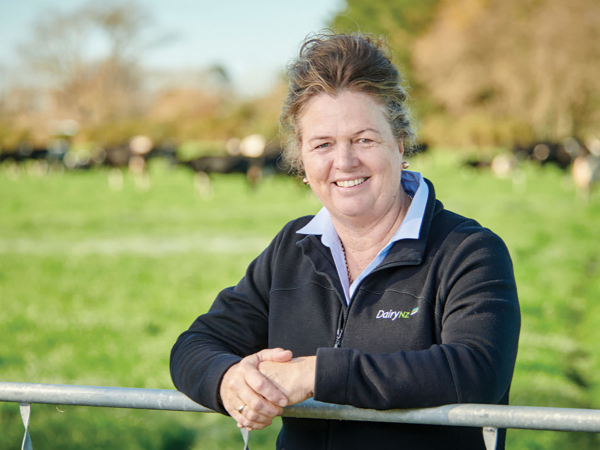 DairyNZ chair Tracy Brown.
DairyNZ says Waikato farmers need certainty on Plan Change 1, but they say that certainty must be matched with practical, workable rules and a clear transition that doesn't get ahead of the new resource management system currently under review.
Tracy Brown, chair of DairyNZ, says the Environment Court's decision on Waikato Regional Council's Plan Change 1 (PC1) has created significant questions for farmers across the Waikato-Waipā catchment.
“Farmers need certainty, but certainty requires rules that are practical, affordable and workable on farm," Brown says.
She says that while PC1 is the council's current pathway, farmers should not be forced into cost, duplication, stranded investment or uncertain consent processes before the transition to the new resource management system is clear.
Brown says DairyNZ's position is focused on practical outcomes for farmers.
“We need one farm plan, clear guidance and tools, workable consenting, and no duplication between PC1 and the new resource management system. The council needs to work with industry to develop implementation guidance for PC1, such as how to demonstrate a farms risk is ‘as low as practicable’," she says.
“Farmers should not be dealing with multiple plans, shifting rules or costly consent processes that may need to be redone under the new system.”
According to DairyNZ, the decision will introduce new requirements for many dairy farms, including resource consents, farm planning obligations and nutrient management requirements. For some catchments, implementation timeframes may be relatively short, creating additional pressure and uncertainty for farmers.
Brown says DairyNZ recognises the concern many Waikato farmers have about the decision.
“PC1 has been a long and complex process. Farmers have been dealing with this for well over a decade, and many are understandably concerned about cost, complexity and uncertainty.
“DairyNZ’s focus is on ensuring farmers have practical, affordable rules that work on farm and support better long-term environmental outcomes.”
Throughout the Environment Court process, DairyNZ sought changes to improve the practicality and workability of the plan while continuing to support water quality outcomes.
“DairyNZ presented an alternative pathway that would have enabled more dairy farmers to operate as permitted activities, reduced compliance costs and provided a clearer pathway for demonstrating compliance, whilst achieving the same environmental outcomes.
“We secured a number of important improvements through the process, but many farmers will still face additional compliance obligations, costs and regulatory hurdles under the final plan.”
Brown says any intervention now needs to be focused on the practical issues farmers are facing.
“That includes freshwater farm plan requirements, section 107 issues, catchment-specific impacts, land value considerations, and any consent timing into the transition to the new resource management system.
“For some farmers the new requirements are what they are already doing and a consent under PC1 may provide longer-term certainty. For others, the requirements may be more difficult, particularly where there are catchment-specific challenges.
“That is why implementation needs to be carefully managed.”
Brown says PC1 also highlights why New Zealand’s resource management system needs reform.
“After years of hearings, expert evidence, legal process and significant cost, many farmers still face new consenting requirements and ongoing compliance obligations.
“No one could look at the length, cost and complexity of this process and conclude the current system is working as efficiently as it should.
“Farmers have already made significant environmental progress on fencing waterways, riparian planting, nutrient management and effluent systems in the 14-year period PC1 has been under review. They support improving environmental outcomes and are committed to playing their part.
“But they need a system that provides certainty, reduces unnecessary complexity, recognises the work already done, and focuses on outcomes rather than process.”
DairyNZ is working with dairy companies, Waikato Regional Council and sector partners to help affected farmers understand the implications of the decision and prepare for implementation.
“With the decision now released, our focus is on ensuring farmers understand what these changes mean for their businesses and have access to the support they need.
“We will continue to advocate for a practical transition that avoids duplication, protects farm viability, and gives farmers confidence to keep investing in their businesses and environmental performance.”
Today, 15 October, is the International Day of Rural Women, which recognises rural women’s contribution to farming, communities and the environment.

Returning to the family dairy farm after playing 20 years of professional rugby around the world is no easy task.
The first major update to the Dairy Cattle Code of Welfare in more than a decade has been released, marking what DairyNZ describes as an important step in ensuring animal welfare standards continue to evolve alongside scientific evidence and on-farm realities.
Federated Farmers says new legislation replacing the Resource Management Act will cut red tape, unlock investment and help grow New Zealand's export-led economy, after the Planning Bill and Natural Environment Bill passed their third reading in Parliament yesterday.
Beef + Lamb New Zealand (B+LNZ) says it welcomes the passage of the Natural Environment Bill and Planning Bill, calling the bills a positive step for sheep and beef farmers.


National’s pledge to introduce 19 new national standards shows the party is serious about getting Wellington out of farming, Federated Farmers says.
The National Party’s policies to make it easier to grow fresh vegetables, secure reliable water and energy and simplify farm planning are practical changes that will give growers the confidence to invest, according to Horticulture New Zealand (HortNZ).
Fonterra Co-operative Group chief financial officer Andrew Murray has resigned to take up a role outside the dairy giant.
A major move is about to get underway to improve the quality and viability of dairy beef and cattle in NZ.
Veterinarians say changes to the code of welfare for dairy cattle provides a positive foundation for improved cattle welfare across the country.
Today, 15 October, is the International Day of Rural Women, which recognises rural women’s contribution to farming, communities and the environment.





OPINION: The same mainstream media muppets that brought you Jacindamania in 2017 have been flat out pimping for the Opportunities…
OPINION: Your old mate reckons the atrocious way farmers in the UK are treated by their lords and masters in…




