Dairy Beef Opportunities Programme Launches to Unlock Calf Value
A $20 million dairy beef programme will help farmers capture greater value from their animals.




 increase font size
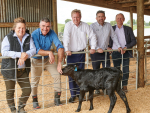
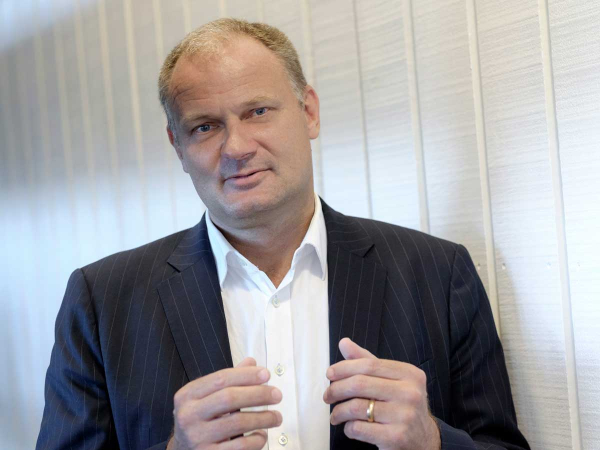 Simon Limmer, Chair of the DBO Governance Group.
New Zealand's dairy and beef industries say they welcome the announcement that the Government will invest $10.49 million in the Dairy Beef Opportunities (DBO) programme.
The DBO programme is a joint initiative between DairyNZ, Beef + Lamb New Zealand, the Meat Industry Association, and members of the Dairy Companies Association of New Zealand with support from the Ministry for Primary Industries via its Primary Sector Growth Fund (PGSF).
The programme is desiged to unlock the value of non-replacement dairy calves - those not needed to replenish dairy herds or already entering dairy-beef systems - by developing innovative, New Zealand-focused approaches that suit the country’s seasonal, pasture-based farming system.
Simon Limmer, Chair of the DBO Governance Group, says the programme reflects the commitment of the dairy and beef sectors to working together to deliver practical, onfarm change that benefits farmers, processors and rural communities.
“The DBO programme will strengthen integration between dairy and beef systems, enhance supply chain e?iciency, and open new revenue streams for farmers, helping the pastoral sector continue to drive New Zealand’s economic and primary sector success," Limmer says.
“It will support New Zealand’s reputation for producing premium, sustainable, and ethically raised food, while creating tangible economic benefits for those working in the pastoral sector," he adds.
DairyNZ Chair Tracy Brown says DairyNZ is committed to unlocking new opportunities for dairy beef across the country.
She says the levy body is "proud to help lead this new programme alongside the Government and our sector partners".
"This is a real opportunity to drive meaningful change for farmers and for our sector’s future.”
Meanwhile, Kate Acland, Beef + Lamb New Zealand chair says the programme will give farmers more confidence and more options to capture greater value from their animals.
“We’re proud to stand alongside our sector partners in driving this next step for dairy beef," Acland says. "This is about creating real opportunities for farmers and ensuring the beef and dairy sectors continue to grow in a way that supports long-term sector success."
"The programme also reflects the strong level of collaboration across the sector, bringing together organisations from across the value chain to help dairy and beef farmers lift productivity and profitability.”
Nathan Guy, Independent Chair of the Meat Industry Association, says the programme will provide tangible benefits for the wider sector and support the Government’s goal to double export value by 2034.
“Dairy beef opportunities will help lift the value stream for the sector, and this programme creates opportunities for processors and exporters to tap into.
“This is another example of industry and government working together to create better outcomes for the benefit of the wider sector and export returns.”
A $20 million dairy beef programme will help farmers capture greater value from their animals.


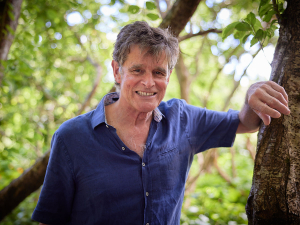
Āta Regenerative is bringing international expertise to New Zealand to help farmers respond to growing soil and water challenges, as environmental monitoring identifies declining ecosystem function and reduced water-holding capacity across farms.
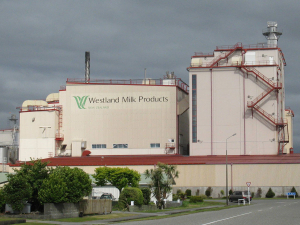
Yili's New Zealand businesses have reported record profits following a major organisational and strategic transformation.
Owners and lessees of certain Hino Trucks New Zealand diesel vehicles have just 10 days remaining to register or opt out of a proposed $10.9 million class action settlement.
Silver Fern Farms has successfully produced and delivered 90 tonnes of premium chilled New Zealand lamb and beef to the United Arab Emirates via airfreight.
For the first three months of 2026, new tractor deliveries saw an increase over the previous two months, resulting in year-to-date deliveries climbing to 649 units - around 5% ahead of the same period in 2025.
QU Dongyu, director-general of the Food and Agriculture Organization of the United Nations (FAO), has issued a warning saying that global fertiliser scarcity caused by disruptions in the Strait of Hormuz will lead to lower yields and tightening food supplies into 2027.



OPINION: When Donald Trump returned to the White House, many people with half a brain could see the results for…
OPINION: Media trust has tanked because of what media's more woke members do and say.