Farmers Wait Out Close Election, Says Federated Farmers
Farmers will wait it out like the rest of the country as the composition of the incoming government remains up in the air.




 increase font size
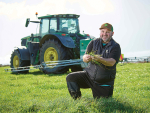
 Colin Hurst, Federated Farmers, says farm plans have huge potential to cut unnecessary red tape.
OPINION: The Government's latest move to make freshwater farm plans more practical and affordable is welcome, and long overdue.
The changes are a positive start that will give farmers a lot of confidence for the future. The changes are largely in line with what the industry has been advocating for over the past six years.
The changes should cut the cost and complexity out of the system and reduce the number of farms required to have a plan and to take a risk-based approach to certification. The new plans should also manage environmental impacts, but without unnecessary red tape, and they won’t be required for small blocks.
Federated Farmers Colin Hurst says farm plans have huge potential to cut unnecessary red tape, compliance costs, and consenting requirements for farmers. He says a tailored farm planning system that takes a risk-based approach will provide strong environmental protections without the over-the-top bureaucracy we’ve seen in recent years.
“For a farmer, this has the potential to be a game changer, replacing the need for expensive and uncertain resource consents or constantly changing council rules,” he says.
It’s a feather in the Government’s cap, and Hurst says the Government are making all the right noises. However, farmers should still keep a close eye on the process and lobby groups should keep engaging with them to make sure the system works in practice.
On the Government side, Andrew Hoggard says officials are working with industry, sector groups, and councils to finalise improvements through updated regulations, while Agriculture Minister Todd McClay says the Government is recognising existing industry programmes that achieve equivalent environmental outcomes and that farmers shouldn’t have to complete multiple plans.
Farmers will wait it out like the rest of the country as the composition of the incoming government remains up in the air.

OPINION: The Government's decision to reinstate agriculture and horticultural science as a standalone subject from Year 11 is the right one.
With less than a week to go before voters choose the next government, Federated Farmers has a simple message to its members - get out and vote.
OPINION: Political parties are getting plenty of advice and recommendations from sector groups as the election approaches.
Federated Farmers has welcomed new rural policies released by ACT, saying they align closely with its own election priorities.



During the nesting season, from September to December, industrious starlings can quickly build nests in the darker areas behind tractor and vehicle, usually close to hot engines, typically resulting in localised damage or in some cases complete write-offs.
The meat processing industry is much more collegial than it was in the past and is now more focused on common goals.
With the last couple of months having seen some potential tractor purchases put on hold with the impending election and continued input cost rises, year-to-date figures, ending September, has seen deliveries up around 5% over the same period in 2025, with a total of 2026 units.
Beef+Lamb New Zealand is calling for nominations for director roles in the Northern South Island and Northern North Island electoral districts.
Fonterra chief executive, Richard Allen says being resilient has helped the dairy industry overcome extreme volatility in recent years.
The head of the Ministry for Primary Industries (MPI) trade and international relations group says New Zealand is well-positioned to secure trade access and compete internationally as the world becomes more complicated, demanding and uncertain.

OPINION: It seems Canterbury processor Synlait is still in the doldrums.
OPINION: Get offside with New Zealand First leader Winston Peters at your own peril.