A South Island farm consultant says dairy farmers must learn to be better risk managers.
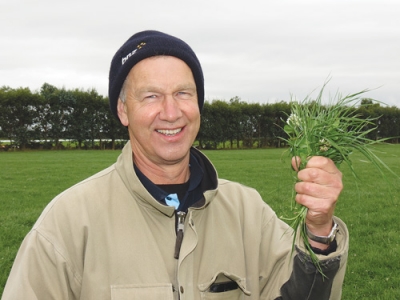
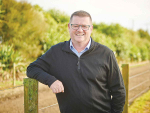
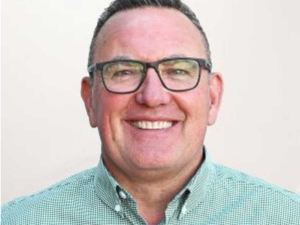
John Donkers says ironically dairy farmers face up to and manage climatic uncertainty pretty well, but must apply these principles to other aspects of their business.
His comments came at a field day run by the proprietors of the Rakaia Incorporation, one of three finalists in this year's Ahuwhenua Trophy competition to find the top Maori dairy farm.
"There is a school of thought that says dairy has had a pretty good run and that essentially it will be alright at the end of the day. Dairy farmers don't seem to have been proactively managing their business to make sure they're alright. They need to be more active in that area and adapt existing skills to advance their business."
Donkers says farmers must manage the cost of production every day and decide whether to spend money on any given project. This includes capital structure and buying big assets such as tractors, cows or farms and making sure they don't pay too much for them.
"People get excited about the dairy industry when the milk price is $8.40/kgMS. Now they should be getting excited about the industry because there will be lots of opportunities. Land values are going to decline slightly and that will give sharemilkers an opportunity to buy in. It will give Rakaia Incorporation the opportunity to buy a third or fourth farm."
Donkers sees a need for a 'reset' in the dairy industry – getting back to the basics of low cost production which is essentially producing grass efficiently. He says based on his 40 years in the dairy industry, he can see the farmers who are the most resilient and profitable are those doing this well.
"I don't knock supplements because they have a place. What matters is how you use them and in what quantity; not stocking your farms up high and using lots of supplements, but instead optimising your business in such things as stocking rates."
Donkers, an advisor to the Rakaia Incorporation, says they take a conservative approach to their business, and have a strong balance sheet with little debt.