Fonterra Elections 2026: Voting Opens Tuesday 20 October
Fonterra shareholders can begin voting on Tuesday 20 October in the 2026 Board of Directors’ election, a Co-operative Council election in one Ward, and seven Annual Meeting resolutions.




 increase font size
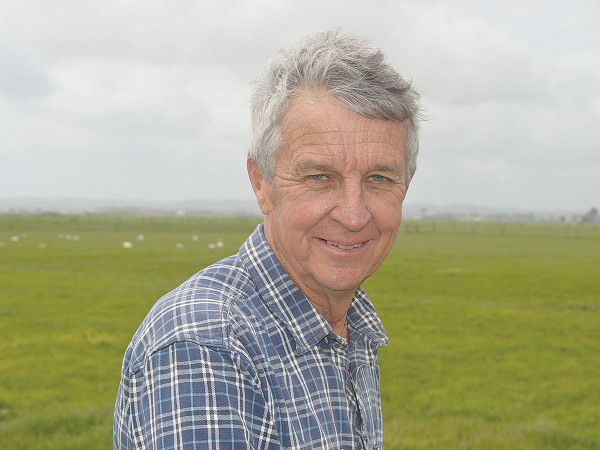 Greg Gent says the divestment will return Fonterra to what it is truly good at.
OPINION: Fonterra's board has certainly presented us, as shareholders, with a major issue to consider.
I see this as probably the final step in the McBride-Hurrell leadership to align Fonterra with both its ownership model and importantly its comparative market advantage.
To date we have seen a slimmed down, more efficient Fonterra and this divestment will return Fonterra to what it is truly good at, what its true advantage is and what will keep it relevant to its customers well into the future.
It is impossible to quantify the "distraction cost" of a poor returning consumer business. I believe boards and executives of the cooperative, over time, have done their best but the reality of a fast-changing sector and Fonterra without a sufficient war chest to compete, means divestment makes commercial sense.
I find it frustrating to read from uninformed commentators that Fonterra is exiting "value add". That mistruth is what has motivated me to give an opinion.
Today Fonterra has a "value add" ingredients and foodservice business. This area is where, I believe, Fonterra's future lies. Branding often referred to as fast moving consumer goods (FMCG), has changed dramatically over the years. Back in the day, the then New Zealand dairy industry made very good returns from the likes of Anchor in NZ and Soprole in Chile. Typically, where we made money was from strong "country only" brands. That world no longer exists. Brand ownership has largely been aggregated to a few large international layers and supermarket "own brands" have appeared.
This has been largely driven by the scale, reach and market power of supermarkets. I always like to think of "who holds the market power". Clearly applied to supermarkets, it's not the suppliers to them, particularly where they are small with little international reach.
Contrast that with a more focused approach to adding value to ingredients by tailoring them to specific needs of customers, whether that is through Fonterra's foodservice channel to the hospitality sector or specialist ingredients reguired by the large international food and confectionary companies.
We hear little of the jewel in Fonterra's crown in this regard, which is the Fonterra Research and Development Centre at Palmerston North. That facility, 100% Fonterra owned, employs about 350 people, almost half are scientists.
To my knowledge this is the largest dedicated "milk" research centre in the world. That's where the breakthrough technologies will come from, often developed in partnership with Fonterra's specialty ingredients customers. Value-add ingredients, done well, makes serious returns.
Being way less capital intensive, the ingredients part of the business sits comfortably alongside the cooperative ownership structure. This is where Fonterra has true global reach through its 13 global offices which service more than 100 countries.
I look forward to seeing a more focused Fonterra and the true value that it will bring both to New Zealand and its farmer owners.
Greg is chairman and independent director of Dairy Holdings, Fonterra's largest milk supplier shareholder. He is a dairy farmer from Ruawai, Northland and was a foundation director of Fonterra and retired from that board in 2011.
Fonterra shareholders can begin voting on Tuesday 20 October in the 2026 Board of Directors’ election, a Co-operative Council election in one Ward, and seven Annual Meeting resolutions.

Fonterra Co-operative Group chief financial officer Andrew Murray has resigned to take up a role outside the dairy giant.
Four candidates have been confirmed for two director positions on Fonterra’s board.
A record farmgate milk price and strong global demand is laying the foundation for continued growth of organic dairy farming in New Zealand.
Waikato milk processor Tatua has again declared a record milk payout to farmer shareholders, leaving other processors in the dust.


Federated Farmers has welcomed new rural policies released by ACT, saying they align closely with its own election priorities.
Rural Contractors NZ says proposed changes to land transport rules for agricultural vehicles are a welcome response by the Government to out of date regulations which have seen members hit with huge fines.
Alliance is calling for final applications for its 2027 Graduate Programme, with applications closing on Sunday 25 October.
Decades piloting planes has ensured vet and farmer David Hayes is focused on safety. So, after a serious accident while welding on farm, he is sharing his experience so others can learn from it.
Canterbury milk processor, Synlait Milk has confirmed Leon Fung as its chief executive officer.
OPINION: Making it easier to collect rainwater and use it to grow crops and livestock is a no brainer.

OPINION: It seems Canterbury processor Synlait is still in the doldrums.
OPINION: Get offside with New Zealand First leader Winston Peters at your own peril.




