‘For sale’ sign on 10 more farms
State-owned farmers Landcorp is quitting 10 more farms totalling about 11,650ha.




 increase font size
 Sales in excess of $50,000 per hectare for farms in North, Central and Mid Canterbury, were recorded in October, with others pending at similar values.
Dairy farms in the South Island are fetching over $50,000/ha, a sign that the sector is rebounding.
Sales in excess of $50,000 per hectare for farms in North, Central and Mid Canterbury, were recorded in October, with others pending at similar values.
Tim Gallagher, PGG Wrightson Real Estate, Ashburton believes the dairy market is rebounding towards all time high levels.
Gallagher recently sold a 298ha farm located between Ashburton and Geraldine for over $50,000/ha.
"This property is based on a hybrid calving system with productivity through long days-in-milk. Management of the 1100 cow farm is aided by a stall barn and a loafing barn, which enhance both production and environmental sustainability.
"Market response to the property was excellent. We received five offers within two weeks, and had the farm under contract quickly, to the satisfaction of both vendor and purchaser, through clearly leaving unmet demand from the offers that were not successful," says Gallagher.
Dairy listings are up almost 300% on the same time last year.
The recent upgrade to Fonterra's milk price forecast and banks' appetite to support the primary sector rising are helping sales.
"Our vendors are reacting to those signals, in some cases after several years of waiting for the right time to exit. Based on completed recent sales and ongoing negotiations on current listings, that time has arrived: dairy property values are firm at levels close to the market's all-time peak, previously reached in 2013," says PGG Wrightson Real Estate's Calvin Leen.
State-owned farmers Landcorp is quitting 10 more farms totalling about 11,650ha.

FOUR FARM sales earlier this month suggest that recent falls in dairy payout forecasts have not diminished appetite for investment in the industry, says a leading national rural property salesperson.
A WELL-RESPECTED Tararua sheep and beef unit sold in late December for $6.75 million, setting a new benchmark for farms of similar scale and quality, says the property's selling agent.
A large portfolio of South Waikato dairy farms and one drystock property, converted by Carter Holt Harvey from forestry land, have now all sold.

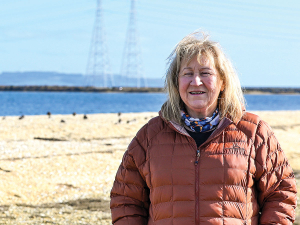
For 15 years, Glenda Rees has travelled from Gore to Awarua, often several times a week, to keep watch over one of the country’s rarest birds.
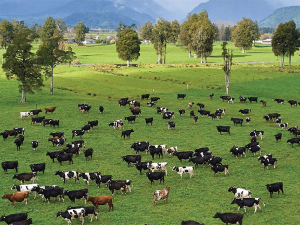
With some farmers opposing a government-industry partnership set up to develop methane reducing products, one NZ company claims that it already has a product on the market.
During the nesting season, from September to December, industrious starlings can quickly build nests in the darker areas behind tractor and vehicle, usually close to hot engines, typically resulting in localised damage or in some cases complete write-offs.
The meat processing industry is much more collegial than it was in the past and is now more focused on common goals.
With the last couple of months having seen some potential tractor purchases put on hold with the impending election and continued input cost rises, year-to-date figures, ending September, has seen deliveries up around 5% over the same period in 2025, with a total of 2026 units.
Beef+Lamb New Zealand is calling for nominations for director roles in the Northern South Island and Northern North Island electoral districts.


OPINION: It seems Canterbury processor Synlait is still in the doldrums.
OPINION: Get offside with New Zealand First leader Winston Peters at your own peril.