Growers See Red Over Proposed Blueberry Import Standards
New import standards could put New Zealand’s blueberry industry and the wider horticulture industry at risk.




 increase font size
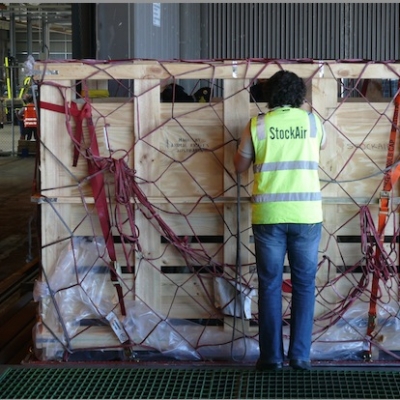 Heifer Exports
AUSTRALIAN DAIRY farmers will benefit from the Sri Lankan Government’s plan to boost its domestic milk production by importing 22,500 dairy heifers from Australia.
Wellard signed two contracts late last month to supply 22,500 cattle for almost A$100 million.
Sri Lanka produces only 42% of its own milk and imports the rest at a cost of A$345 million a year.
The government has long wanted to raise domestic milk production.
Wellard dairy general manager Colin Webb says the company, a big livestock exporter, will supply Friesian Jersey-cross heifers as best suited to the local environment and production systems. It expects to send five shipments over the next two years, sourced nationwide at market rates.
It will source and supply 20,000 animals in the next two years under the larger of the two contracts, and will provide management and veterinary support.
Under a second contract, supported by Rabobank and Australia’s Export Finance Investment Corporation, Wellard will supply 2500 Friesian Jersey-cross heifers for a Sri Lanka farm it will build from the ground up – sheds, milking parlour and machinery. The deal includes technical management and capacity building by employing and training of vets, farm management advisers and supervisors.
Wellard recently supplied 2000 heifers, renovated existing facilities and provided management and education. The cattle are said to be producing well and the dairy plant is running efficiently.
“All parties to the original supply agreement [are] delighted… and we are pleased to have… a much larger contract.”
New import standards could put New Zealand’s blueberry industry and the wider horticulture industry at risk.

Fonterra is operating at a limited capacity in Sri Lanka as that country grapples with unrest and serious economic challenges.
OPINION: Given what's happening around the world, New Zealand dairy farmers are on to a pretty good thing with its internationally envied farming system.
Fonterra has copped an $81 million hit in the key market of Sri Lanka, which has been facing political turmoil.
Recently updated import protocols means that imports of cattle genetic material into NZ from other countries has effectively come to a standstill.


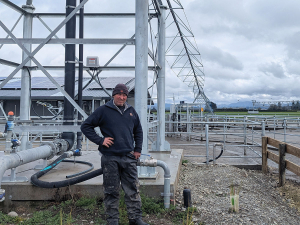
Converting a longstanding cropping farm to dairy was the only way to ensure the land stayed in the family long term, says new dairy farmer Rod May.

As the election heats up, Organics Aotearoa New Zealand (OANZ) has launched its election scorecard designed to help voters wanting to support policies that grow organic and New Zealand's organic sector.
A 'tsunami' of milk from key exporting countries is winding down and this may be good news for New Zealand dairy farmers.
Will the good times last? That's one of the key issues to come out of the latest Federated Farmers confidence survey.
Outgoing Fonterra Co-operative Council chair John Stevenson says that it has been a privilege to represent the co-op's farmer shareholders.
Have a plan in place for your cows and staff.



OPINION: It seems Canterbury processor Synlait is still in the doldrums.
OPINION: Get offside with New Zealand First leader Winston Peters at your own peril.