
Westpac Urges Farmers to Prepare Now for El Niño Drought
Westpac NZ is calling on farmers and growers to start preparing now for the possibility of a dry summer, as likely El Niño conditions raise the risk of drought across parts of the country.




 increase font size

Total milk production could drop for the first time in five years, according to Westpac's most recent forecasts.
The bank's economists are predicting milk production for the 2012-2013 season may be as much as 2% lower than last year's total, despite increasing herd sizes and a bumper spring, says agri-economist Nathan Penny.
"If you go back to January, milk volumes were up 6% on the previous year, which in turn was 10% better than 2010," says Penny.
"As recently as last month we were still expecting total production to be slightly up on last year, but since then the drought has pushed milk production levels off a cliff.
"Our best case scenario is now for this season's production to equal last year. However, it could be as much as 2% lower. It all depends on when the rains come."
Westpac agribusiness head David Jones warns that the full financial effects of the drought may still be several months away and farmers are urged to keep channels of communication open.
"Farmers have reacted very swiftly, shedding stock and otherwise re-shaping their operations, and, as a result, many are still in a fairly strong cash position. However, with the killing chains now at full capacity, uncertainty over feed supplies, and a likely shortage of replacement stock, a lot of their issues are still ahead of them," says Jones.
Jones says banks are ready and willing to support farmers, and farmers should include their bankers in the decision-making process.
"Our rural bankers are part of the community and in many cases are farmers themselves. They understand the particular challenges of managing animal welfare and financial issues, and have a considerable degree of operational independence," says Jones.
"We know that farmers need to act swiftly, and we are ready to respond swiftly should they need our help.
"The better informed we are, the better we can prepare and the more effectively we can provide that help."
Westpac NZ is calling on farmers and growers to start preparing now for the possibility of a dry summer, as likely El Niño conditions raise the risk of drought across parts of the country.

A new Westpac NZ community banking van begins making visits around Northland this week.
Sheep and beef farmers in Hawke's Bay are being urged to keep a close eye on the wells that supply water to their stock.
Fears of a serious early drought in Hawke’s Bay have been allayed – for the moment at least.
OPINION: Farmers along the east coast of both islands are being urged to start planning for drought as recent nor'west winds have left soil moisture levels depleted.


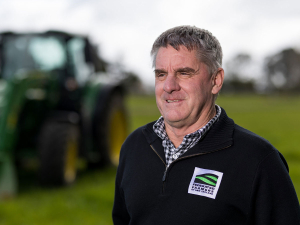
National’s pledge to introduce 19 new national standards shows the party is serious about getting Wellington out of farming, Federated Farmers says.
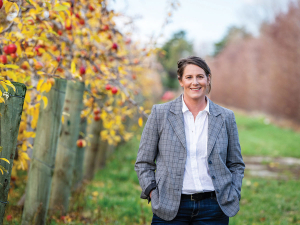
The National Party’s policies to make it easier to grow fresh vegetables, secure reliable water and energy and simplify farm planning are practical changes that will give growers the confidence to invest, according to Horticulture New Zealand (HortNZ).
Fonterra Co-operative Group chief financial officer Andrew Murray has resigned to take up a role outside the dairy giant.
A major move is about to get underway to improve the quality and viability of dairy beef and cattle in NZ.
Veterinarians say changes to the code of welfare for dairy cattle provides a positive foundation for improved cattle welfare across the country.
Today, 15 October, is the International Day of Rural Women, which recognises rural women’s contribution to farming, communities and the environment.




OPINION: It seems Canterbury processor Synlait is still in the doldrums.
OPINION: Get offside with New Zealand First leader Winston Peters at your own peril.




