
China No Longer Just A Commodity Story - Luxon
China remains New Zealand’s biggest market, taking $23 billion of our exports, but it’s no longer a commodity story, says Prime Minister Christopher Luxon.




 increase font size
 Craig Presland, chief executive of Cooperative Business NZ, says Westland profits in the end will go overseas.
Westland Milk Products’ sale to Chinese interests is an ironic end to the co-op, which last August was named New Zealand’s 2018 Cooperative Business of the Year.
The award is made to a member organisation “that has made a significant and positive impact within the cooperative community during the 2017-18 year.”
At the time, the judges called it a recognition of Westland “successfully re-inventing itself using the enduring cooperative model as a strength, while promoting to its customers the productive relationship it has with its 350 shareholding farmers”.
Craig Presland, chief executive of Cooperative Business NZ, had no regrets about the award, decided by experienced judges and based on Westland’s 2017-18 performance, a turnaround from previous years.
“Twelve months later... these things are always easier in hindsight, aren’t they, looking back.”
Presland said Westland’s woes go way back, such as decisions on A2 milk, the value of their share price for additional milk being too low, and their move into Canterbury.
But Westland’s failure was “not at all” a problem in the cooperative model, which Presland said was “all about endurance and sustainability”.
Of Cooperative Business NZ members, which include Fonterra, Tatua, LIC, FMG and SBS Bank, two-thirds are over 20 years old and five are over 100 years old.
“For Westland I think the disappointment was they couldn’t come to an agreement with Fonterra about ownership and remaining a cooperative wholly owned in NZ with profits retained locally.”
He questioned why they hadn’t acted the way Silver Fern Farms did two or three years ago, setting up two entities, one 100% NZ-owned.
Presland said Westland profits in the end would go overseas.
“Sure there’s talk of matching Fonterra’s price for the next 10 years but what about beyond that? Where’s the long-term thinking for future generations?
“I don’t want to comment too much about their performance but it’s certainly not about the co-operative model. It’s a fine balance between putting money into payouts versus holding it back for capital projects for investment. Maybe that’s partly where Westland went wrong.”
China remains New Zealand’s biggest market, taking $23 billion of our exports, but it’s no longer a commodity story, says Prime Minister Christopher Luxon.
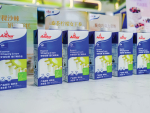
Fonterra is strengthening its foodservice presence in China with the launch of a new cream for professional bakeries at Bakery China 2026 in Shanghai.
Westgold butter has been named New Zealand's tastiest in a blind tasting conducted by Consumer New Zealand.
Yili's New Zealand businesses have reported record profits following a major organisational and strategic transformation.
Former Fonterra executive Alex Turnbull has been appointed CEO to lead all five Yili Oceania Business Division companies in New Zealand.



Rural Contractors NZ says proposed changes to land transport rules for agricultural vehicles are a welcome response by the Government to out of date regulations which have seen members hit with huge fines.
Alliance is calling for final applications for its 2027 Graduate Programme, with applications closing on Sunday 25 October.
Decades piloting planes has ensured vet and farmer David Hayes is focused on safety. So, after a serious accident while welding on farm, he is sharing his experience so others can learn from it.
Canterbury milk processor, Synlait Milk has confirmed Leon Fung as its chief executive officer.
OPINION: Making it easier to collect rainwater and use it to grow crops and livestock is a no brainer.
As part of its Election 2026 coverage, Rural News asked political parties how they would help pull the arable sector out of the doldrums. Here's what they said:


OPINION: It seems Canterbury processor Synlait is still in the doldrums.
OPINION: Get offside with New Zealand First leader Winston Peters at your own peril.




