NORTH ISLAND dairy farmers are urged to look out for Theileriosis in cattle.
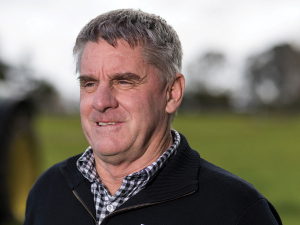
DairyNZ chief scientist Dr Eric Hillerton says Theileriosis had a big impact on farms last spring, when more than 350 cases were confirmed across the Waikato, Bay of Plenty, Northland and central North Island. The disease causes anaemia in cows.
Hillerton says the risk is now heightened because of autumn calving, stock movements and recent rain.
"During calving, cows' immune systems and energy requirements change as they transition to milking and it makes their immune system less efficient and the cows more susceptible to infection," says Hillerton, who is speaking on Theileriosis at the DairyNZ Farmers' Forum, May 7-8 in Hamilton.
The recent rain and mild temperatures, along with cattle movement in the North Island, are particular risk factors.
"Tick activity will increase, so farmers need to check cattle for ticks and talk to their vet about treatment options if they find them," says Eric. "And with stock moving off-farm to winter grazing and Gypsy Day looming, there is increased risk of Theileriosis spreading to uninfected cattle."
Stock movement is the most important factor in managing the spread of Theileriosis, as infected animals take it to a new location or are introduced to healthy animals.
"The best way to minimise the risk of infection is by good biosecurity including stock management and applying tick control when necessary, especially if moving cattle off-farm or purchasing new cows."
Farmers can learn more about Theileriosis and how to manage it at the workshop Hillerton is co-presenting at the DairyNZ Farmers' Forum in Hamilton.
The session offers farmers an opportunity to hear first-hand how Theileria affects a cow's body, ways to prevent it and what the predictions are for the disease. The forum is free to levy-paying dairy farmers and their staff.
Eric says for now, farmers must check for signs of Theileriosis, which include lethargy, pale mucous membranes, exercise intolerance, and increased respiratory and heart rates.
"Farmers may notice animals lagging behind the rest of the mob when being shifted or lying down in the paddock. The animals are also likely to be off their food and appear hollow-sided," he says.
"Cows with Theileriosis should be given rest, high quality feed and water, and be handled only when absolutely necessary. Farmers should also contact their veterinarian for advice. It's important to note that there is no human health or food safety risks associated with Theileriosis."
Eric's presentation is one of 12 workshops at this year's DairyNZ Farmers' Forum at Mystery Creek in Hamilton. It will be one of the last opportunities for farmers to see Hillerton in action, before his retirement.
Key speakers at this year's Farmers' Forum include Minister for Economic Development Steven Joyce, Fonterra chairman John Wilson, Reserve Bank governor Graeme Wheeler and ANZ chief economist Cameron Bagrie.
The 50th edition of the DairyNZ Economic Survey will also be launched at the forum and attendees can also cast their milksolids levy vote onsite.
For more information on Theileriosis, visit dairynz.co.nz/theileria. To register for the DairyNZ Farmers' Forum and the Theileriosis workshop on day two, visit dairynz.co.nz/farmersforum.