A recent clinical study has highlighted the potential for a bioactive whey protein to support immune responses to influenza vaccinations.
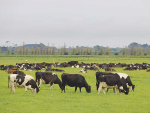
Immune Defense Protein (IDP), developed by Quantec Ltd, is a whey protein complex derived from pasture-fed cows which contains a natural complex of over 50 bioactive proteins.
Those proteins then work to support the immune system. Each protein plays a specific role, contributing to the complex’s overall ability to support the body’s natural defences against inflammation, oxidative stress, and microbial challenges.
The double-blind, randomised, placebocontrolled clinical trial performed in partnership with Massey University and University of Auckland showed that participants who supplemented their vaccination with IDP showed enhanced levels of influenza antibodies post-vaccination.
The trial involved 53 adults, aged 25-65, who consumed either a high dose of IDP, a standard dose or a placebo daily for eight weeks. Those in the high-dose group experienced significantly higher level of flu-specific antibody levels.
John Dawson, chief executive of Quantec, told Dairy News there is the potential for IDP to be used in conjunction with other vaccines.
“IDP works effectively with the bodies immune system, enhancing the bodies response to an immune challenge,” Dawson says.
“Based on our invitro testing, it is possible that IDP supplementation would provide benefits in enhancing/supporting the immune response to other infections in addition to influenza.”
He says that because IDP is already an active ingredient in some supplements and functional foods (foods that offer an additional health benefit), it provides benefits for immune and digestive health.
“It’s properties also make it suitable for skincare applications - where it can help prevent infection and reduce irritation caused by skin conditions such as acne and rosacea,” Dawson says.
“As well as being used for human applications, it is also used in petcare to support immune and oral health.”
Quantec has now commissioned a larger clinical trial of the prevaccine immune support usage in Shanghai with more than 300 children aged between 3 and 8 set to participate.
“This double-blind placebo trial is observing the effect of IDP supplementation on cold and flu incidence and severity of symptoms over a 4-month period (winter/ cold and flu season),” says Dawson.
“The trial will finish in May, and we hope to publish the results later this year. In this trial, there is no intentional vaccination occurring, so the data we collect will provide a good indication of how IDP may benefit the immune health of those who may not get vaccinated.”