Fonterra Elections 2026: Voting Opens Tuesday 20 October
Fonterra shareholders can begin voting on Tuesday 20 October in the 2026 Board of Directors’ election, a Co-operative Council election in one Ward, and seven Annual Meeting resolutions.




 increase font size
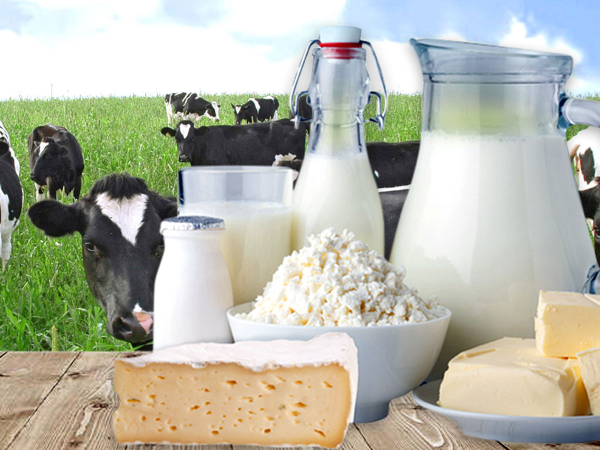 ASB is forecasting a milk price of $9.75/kgMS while Fonterra lifted its forecast milk price range last month to $9.50 to $10.50/kgMS with a midpoint of $10/kgMS.
Whole milk powder prices on Global Dairy Trade (GDT) remains above long run averages and a $10/kgMS milk price for the season remains on the card, says ASB senior economist Chris Tennent-Brown.
ASB is forecasting a milk price of $9.75/kgMS while Fonterra lifted its forecast milk price range last month to $9.50 to $10.50/kgMS with a midpoint of $10/kgMS.
Tennent-Brown says that like Fonterra, they will be keeping a careful watch on the global supply and demand dynamics over the coming months.
"We see a balance of risks around our $9.75 pick, with some of those risks pointing to a milk price closer to Fonterra's midpoint, even if prices ease a little bit more from current levels.
"The lower NZD can help this year's milk price at the margin but can be a bigger help for the next season if the weakness continues and is captured as we expect within Fonterra's FX hedging."
WMP prices, which has the biggest impact on Fonterra's milk price, have dropped in the last two consecutive auctions. The first auction of 2025 saw WMP slip 2.1% and skim milk powder 2.2%.
WMP sits at US$3804/tonne - the highest level since July 2022, when it was fetching US$3961/t.
Tennent-Brown says that WMP prices have been declining from the recent peak, but remain significantly higher than a year ago, and above long run averages.
The latest GDT auction saw the price index ease 1.4% to an average price of US$4,029/t.
NZX dairy analyst Rosalind Crickett says the index movement was weighed down by decreases seen to the milk powder products, despite lifts to butter and cheese products - with results spot on with their pre-event expectations.
"In what normally is a quieter start to the year, 87% of product on offer was still sold, but saw weaker demand from both North Asia and the Southeast Asia/Oceania regions."
Crickett says that despite there being -15.7% less WMP and -15% less SMP on offer since the last event, traders have been describing a "hand to mouth" purchasing pattern by regions over the holiday period.
Fonterra shareholders can begin voting on Tuesday 20 October in the 2026 Board of Directors’ election, a Co-operative Council election in one Ward, and seven Annual Meeting resolutions.

Fonterra Co-operative Group chief financial officer Andrew Murray has resigned to take up a role outside the dairy giant.
Four candidates have been confirmed for two director positions on Fonterra’s board.
A record farmgate milk price and strong global demand is laying the foundation for continued growth of organic dairy farming in New Zealand.
Waikato milk processor Tatua has again declared a record milk payout to farmer shareholders, leaving other processors in the dust.



Federated Farmers has welcomed new rural policies released by ACT, saying they align closely with its own election priorities.

Rural Contractors NZ says proposed changes to land transport rules for agricultural vehicles are a welcome response by the Government to out of date regulations which have seen members hit with huge fines.
Alliance is calling for final applications for its 2027 Graduate Programme, with applications closing on Sunday 25 October.
Decades piloting planes has ensured vet and farmer David Hayes is focused on safety. So, after a serious accident while welding on farm, he is sharing his experience so others can learn from it.
Canterbury milk processor, Synlait Milk has confirmed Leon Fung as its chief executive officer.
OPINION: Making it easier to collect rainwater and use it to grow crops and livestock is a no brainer.

OPINION: It seems Canterbury processor Synlait is still in the doldrums.
OPINION: Get offside with New Zealand First leader Winston Peters at your own peril.




