McRae Wins Southern South Island B+LNZ Director Vote
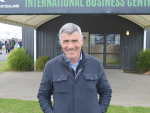
Matt McRae, a farmer from Mokoreta in Southland who runs a sheep, beef and dairy support business alongside a sheep stud, has been elected to the Beef +Lamb NZ Board as a farmer director.




 increase font size
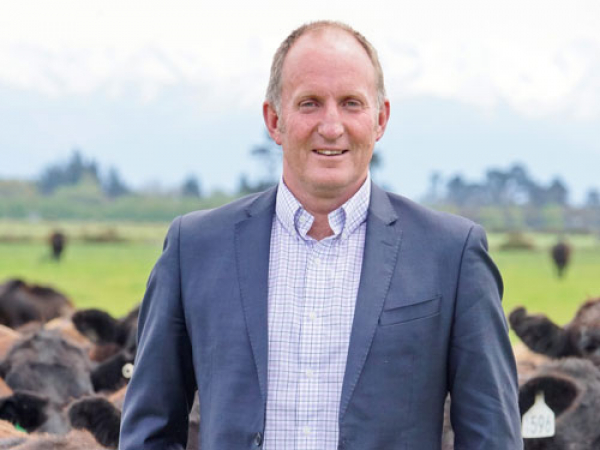 Andrew Morrison, chairman of B+LNZ.
Sheep and beef farmer confidence dropped to the lowest recorded level since August 2017, according to a survey by Beef + Lamb New Zealand (B+LNZ).
The survey by UMR Research found less than half (46%) of farmers were confident in the future of New Zealand’s sheep and beef industry compared to 58% in May 2020.
Meanwhile, the percentage of farmers who expressed low confidence in the industry was up compared to last quarter at 15% (up 6%).
Farmer confidence was down in all regions except for the Northern North Island where it remained steady at 47% (up 1%).
The southern South Island experienced the largest fall in confidence at 32% (down 27%), followed by the central South Island at 42% (down 19%), and eastern North Island at 50% (down 16%).
“Sheep and beef farmers are increasingly concerned at the speed and scale of government-led reforms,” says Andrew Morrison, chairman of B+LNZ.
“We are hearing that a key factor behind the fall in confidence is the government’s recent essential freshwater rules, but also concerns about the cumulative impact of law changes in the last couple of years such as the Zero Carbon Bill, and changes to the Emissions Trading Scheme that has led to a surge in the conversion of sheep and beef farms into carbon farms.”
Farmers are also worried about the potential impact of significant policies such as bio-diversity, which have been parked until early next year, he says.
Other things affecting confidence are the lingering impacts of drought across parts of the country and uncertainty in export markets as a result of COVID-19.
“Sheep and beef farmers recognise they have a role to play in improving their environmental performance, they have made significant gains in a range of areas in recent years and know there is more to do.
“But farmers are concerned the policy settings in areas such as freshwater and proposals on biodiversity are not workable or practical at a farm level, nor will they necessarily lead to better environmental outcomes.
“We want to work with the incoming government on improving the rules that have already being introduced and then focus on their implementation.”
UMR Research surveyed 660 farmers between 21st August-9th September 2020. The margin of error is ± 3.8%.
Matt McRae, a farmer from Mokoreta in Southland who runs a sheep, beef and dairy support business alongside a sheep stud, has been elected to the Beef +Lamb NZ Board as a farmer director.
Recent widespread autumn rain will have triggered the germination of subterranean clover seeds, and the resulting seedlings should be allowed to reach the 3–4 trifoliate leaf stage before grazing, says Beef+Lamb NZ.
A hub farm in each of Beef + Lamb NZ’s seven regions and more focus groups are being rolled out for the red meat sector this year.
The red meat sector is poised for a strong rebound this season, with export receipts forecast to top $10 billion and farm profitability to almost double.
Progeny testing at Pāmu’s Kepler farm in Southland as part of Beef + Lamb New Zealand’s Informing New Zealand Beef programme is showing that the benefits of hybrid vigour could have a massive impact on the future of beef breeding.



Federated Farmers has welcomed new rural policies released by ACT, saying they align closely with its own election priorities.

Rural Contractors NZ says proposed changes to land transport rules for agricultural vehicles are a welcome response by the Government to out of date regulations which have seen members hit with huge fines.
Alliance is calling for final applications for its 2027 Graduate Programme, with applications closing on Sunday 25 October.
Decades piloting planes has ensured vet and farmer David Hayes is focused on safety. So, after a serious accident while welding on farm, he is sharing his experience so others can learn from it.
Canterbury milk processor, Synlait Milk has confirmed Leon Fung as its chief executive officer.
OPINION: Making it easier to collect rainwater and use it to grow crops and livestock is a no brainer.

OPINION: The same mainstream media muppets that brought you Jacindamania in 2017 have been flat out pimping for the Opportunities…
OPINION: Your old mate reckons the atrocious way farmers in the UK are treated by their lords and masters in…




