
Outrage won't pay the bills
OPINION: Across rural conversations, we're heading the same tune: crisis.




 increase font size

OPINION: The Hound reckons the argument run by the ‘agribusiness elite’ that the market will punish our exports if we don’t fall into line with spurious targets like the Paris Accord doesn’t pass the sniff test.
Our biggest red meat market recently did a backflip on tariffs, chiefly because America needs cheaper food, and New Zealand has it.
The tariffs, part of Trump’s ‘America First’ agenda, were introduced in April at 10%, then raised to 15% in August.
Then in November, Trump announced that the tariffs on products representing around 25% of our exports to the US and worth about NZ$2.2 billion annually, would be removed, effective immediately.
Other nations are no different: the UK, for instance, can’t feed itself and imports nearly 40% of its food.
China imports 35%, Japan 60% and Saudi Arabia 80%. The world is too hungry to care about our methane targets!
OPINION: Across rural conversations, we're heading the same tune: crisis.

OPINION: Critics of NZ’s commitment to the Paris Accord, such as Groundswell and others, continue to push for an exemption for ag, arguing that the threat of trade retaliation is more hypothetical than real.


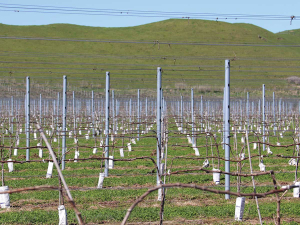
Hawke's Bay fruit growers are being reminded of the need to prepare for whatever the El Niño weather system may bring in the coming months.
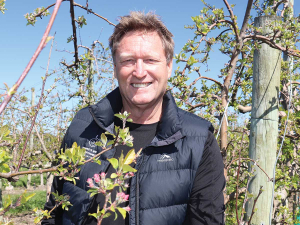
Three and a half years on from when Cyclone Gabrielle hit Hawke's Bay, some orchardists in the region are still receiving counselling to help them deal with the trauma they suffered.
South of the central Hawke’s Bay town of Waipukurau is Taniwha Station – a highly successful 550ha bull beef farming operation.
Beef + Lamb NZ funded research has shown that some simple changes to pasture management could help farmers make better use of rainfall and build resilience before dry conditions hit.
OPINION: There could hardly be a more appropriate theme for a conference than the one chosen by the red meat sector - Navigating Volatility.
When Northland leather worker Vernon Suckling started making horse saddles 50 years ago, quad bikes and side-by-side vehicles were unheard of.




OPINION: The same mainstream media muppets that brought you Jacindamania in 2017 have been flat out pimping for the Opportunities…
OPINION: Your old mate reckons the atrocious way farmers in the UK are treated by their lords and masters in…




