
NZ Apple Growers Ready to Share Expertise in India
New Zealand's role is not to compete with Indian growers, according to NZ Apples and Pears.




 increase font size
 MIA chair Nathan Guy.
New Zealand's red meat sector says it welcomes the Government's focus on trade ahead of the general election in November.
Both the Meat Industry Association (MIA) and Beef + Lamb New Zealand say that export growth and action on non-tariff barriers are critical to the sector's future.
Nathan Guy, independent chair of the MIA, says trade underpins the New Zealand economy and must remain a priority for the next Parliament.
"The red meat sector is New Zealand's second-largest goods exporter and is forecast to generate $14.1 billion (including wool and venison) in export revenue this coming year," Guy says.
He says new trade agreements, alongside practical action to reduce non-tariff barriers, will help the sector grow that value further.
Guy says Kiwi exporters reach more than 100 markets across the globe, and that diversity helps the sector navigate volatility in global markets.
"Strengthening our trade ties will improve our resilience by giving our exporters further options," he says.
“Non-tariff barriers are still estimated to cost the sector about $1.5 billion each year. Reducing those barriers would deliver benefits from farms and processing plants through to local services and households," he adds.
Beef + Lamb New Zealand chair Kate Acland says the sector's national impact is significant, with recent research showing it contributes $17.5 billion to New Zealand's gross domestic product (GDP) each year and underpins more than 120,000 jobs.
“Free trade agreements are good for the red meat sector and good for the New Zealand economy," Acland says.
“With more than 90 per cent of the sector’s goods exported, a clear and ambitious trade strategy is critical.
“BERL research shows the sector generates $12.8 billion in export earnings annually, which flows through our economy and has a powerful multiplier effect that sees $133 million a day being spent across New Zealand. “
“That spending supports thousands of businesses and helps underpin the tax revenue and economic stability that benefit the whole country.
“New Zealand has a strong tradition of cross-party support for trade. Maintaining that approach will be vital for the red meat sector and for New Zealand’s future success.”
New Zealand's role is not to compete with Indian growers, according to NZ Apples and Pears.
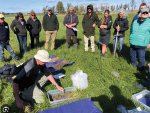
Beef + Lamb NZ funded research has shown that some simple changes to pasture management could help farmers make better use of rainfall and build resilience before dry conditions hit.
The red meat sector is in great heart.
New Zealand's red meat and fifth-quarter exports reached $867 million in August, up 23% on the same month last year, as stronger returns lifted earnings across all major markets.
Meat Industry Association data, released alongside the Red Meat Sector conference in Wellington, shows export value climbing across the US, China, UK and Canada.


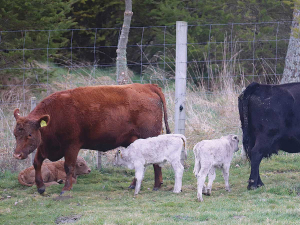
A major move is about to get underway to improve the quality and viability of dairy beef and cattle in NZ.
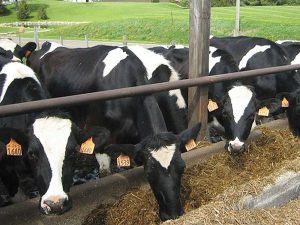
Veterinarians say changes to the code of welfare for dairy cattle provides a positive foundation for improved cattle welfare across the country.
Today, 15 October, is the International Day of Rural Women, which recognises rural women’s contribution to farming, communities and the environment.
Global dairy giant Lactalis has integrated its Australian operations with the Mainland Dairy consumer business it acquired from Fonterra earlier this year.
After almost two decades of sharemilking, saving and building equity, Aaron and Marcia Flay this year realised their long-held dream of settling on their first dairy farm.
Good medium to long term prospects for NZ beef, especially in the US, has heighted the focus on various initiatives to capitalise on this situation.



OPINION: The same mainstream media muppets that brought you Jacindamania in 2017 have been flat out pimping for the Opportunities…
OPINION: Your old mate reckons the atrocious way farmers in the UK are treated by their lords and masters in…




