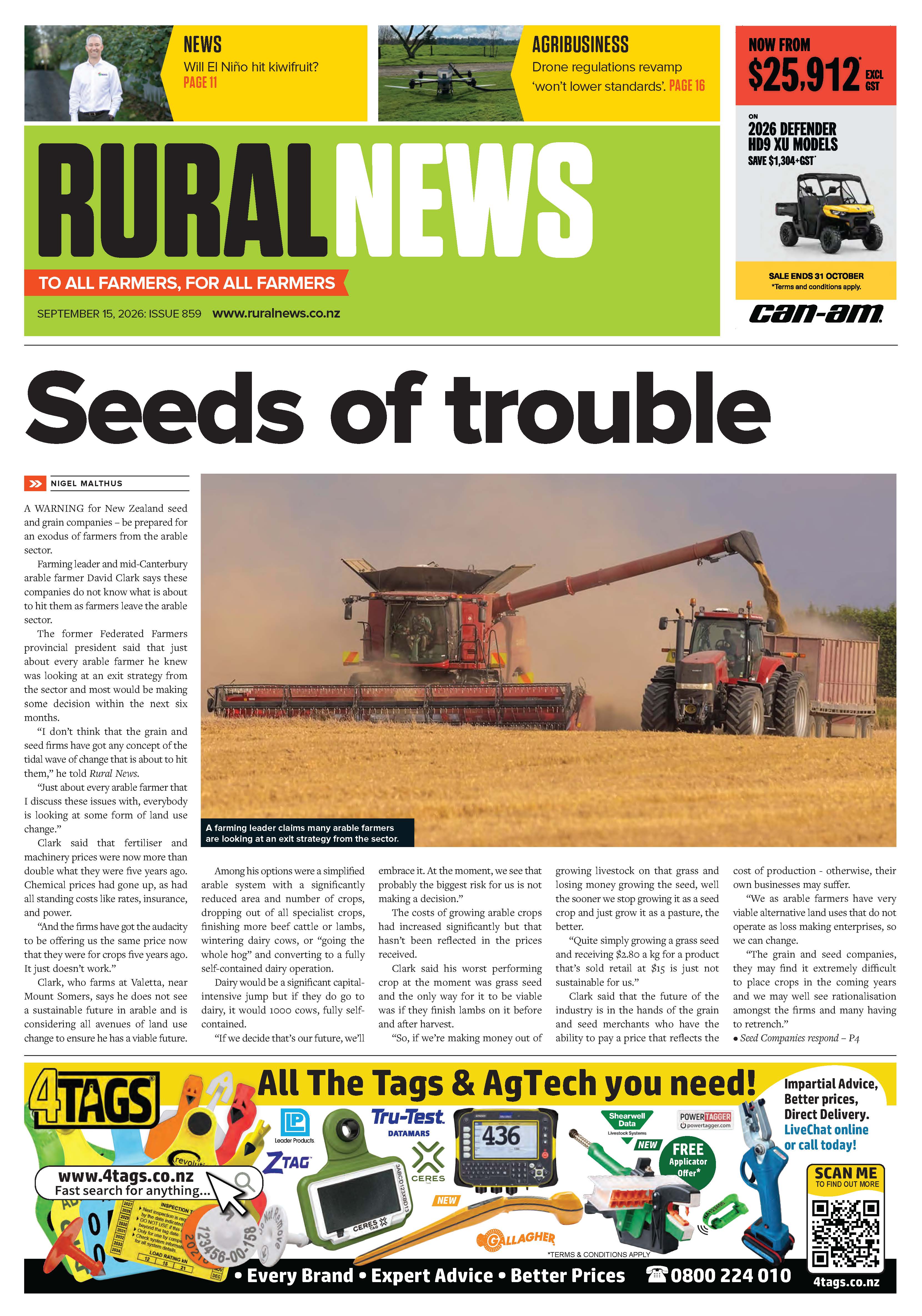
Damien O’Connor Criticises Budget 2026 as ‘Miserable’ for Rural New Zealand
A miserable budget that didn’t deliver much for anyone.




 increase font size
 Damien O'Connor.
Six months down the track and with an estimated $250,000 of taxpayer funds already spent, Ag Minister Damien O’Connor’s Primary Sector Council (PSC) is looking increasingly like an irrelevant, costly, white elephant.
Investigations earlier in the year by Rural News – under the Official Information Act (OIA) – revealed annual costs for the PSC would exceed $500,000.
However, that was only for administration and the costs of the running the council; it did not include any estimate of the cost of external consultants – at least two lots have already been engaged.
The PSC had met five times up to September 19 but it has been plagued by absenteeism and has progressed little in developing ideas.
Meeting agendas, published on the MPI website, show that the PSC’s first meeting on May 28 was the best attended with 17 of its 18 members turning up. However, since then meeting attendances have steadily dropped off: the worst was on August 30 when only seven members bothering to turn up while the other 12 didn’t show.
Meanwhile, in August Sharma Sukul Lee resigned from the PSC and has not been replaced. This brings the council’s total membership to 17 — chair Lain Jager, 13 other full members and three observer members.
Rural News’ earlier OIA also revealed that no formal process was used to select the council members. MPI said the process for identifying candidates included nominations by industry groups, interest groups, MPs and MPI with members approved by the Cabinet appointment and honours committee prior to the minister making the appointments.
Minutes from the five PSC meetings, published on the MPI website, also show that little has been achieved so far except for lots of discussions, briefings and engagement of external contractors. Highlights include:
• Briefings from Minister O’Connor and his former associate Meka Whaitiri (who was sacked and not replaced in September) at the PSC inaugural meeting on May 28 on their “expectations of the PSC”, which centre on such ethereal concepts as “growing leadership”, “enhancing skills” and “fostering an entrepreneurial environment” in the primary sector.
• The council also has been privvy to briefings from government officials on water quality, climate change, R&D, regional development and the Dairy Industry Restructuring Act (DIRA), but has released no comment or views on these topics.
• The PSC has engaged Lincoln University-based consultant the Agribusiness and Economics Research Unit (AERU) to produce a situational analysis of the sector to “inform the rest of the PSC’s work and government policy more broadly”. However, no account has been given of how much this work will cost taxpayers.
• It has also engaged Scott Champion from Primary Purpose consultancy to facilitate its July 23 and August 18 meetings, but again no costs have been provided for this in any of its minutes.
Meanwhile, adding to the PSC’s relevance – or lack of it – is confirmation by PM Jacinda Ardern in answer to written parliamentary questions that she has no intention of ever meeting with the body. However, the PM and other senior ministers have already met twice with the Farming Leaders Group.
A miserable budget that didn’t deliver much for anyone.

National's decision to ‘dribble’ information about the NZ/India to Labour contributed to the delay in it deciding to supported the FTA.
When it comes to international trade, politicians from all sides of the aisle are united, says Labour's trade spokesman Damien O'Connor.
Federated Farmers have reiterated their support for the coalition Government to abolish the present ban on the live export of animals.
As the coalition Government mulls new regulations to reinstate the export of live animals, debate is heating up between supporters and opponents.


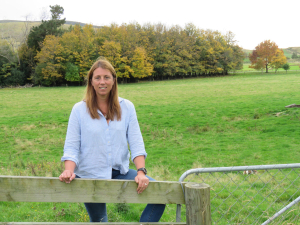
Farmgate lamb prices are down by 8%, beef cattle by 4.5% and farm expenditure up by 4.2%.
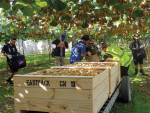
Kiwifruit growers are watchful but remain optimistic as concerns around the potential effects of the El Niño weather pattern this season.
Almond hulls sourced from Australian orchards may have the potential to help New Zealand cows reduce emissions, boost milk yield and lower input costs.
Striking a balance between meeting the needs of industry to speed up approval time for products but on the other hand ensuring that risks are properly assessed.
Surprised, humbled and quite thrilled. That’s the reaction of James Allen, one of the founding partners and now chief executive of AgFirst, on being made a life member of the Institute of Rural Professionals.


OPINION: The same mainstream media muppets that brought you Jacindamania in 2017 have been flat out pimping for the Opportunities…
OPINION: Your old mate reckons the atrocious way farmers in the UK are treated by their lords and masters in…