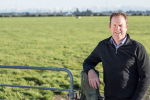
Ravensdown CEO takes out premier award
Ravensdown chief executive Greg Campbell has been named the 2019 Primary Industries Chief Executive of the Year at the inaugural Primary Industries Awards.




 increase font size

Australian Minister of Agriculture, Fisheries and Forestry Joe Ludwig is in New Zealand on a two-day visit.
He is meeting with Minister for Primary Industry David Carter this afternoon to kick off bilateral and primary industries meetings over the next two days.
Ludwig will travel with Primary Industries Ministers from NSW, Victoria, Queensland and the Northern Territory.
"This visit is a valuable opportunity to discuss two-way trade and issues in the primary sector that affect both Australia and New Zealand," says Carter.
While in Auckland, Ludwig will also chair the Standing Council on Primary Industries meeting.
"This meeting is attended by primary industries ministers from New Zealand and Australia and allows us to share approaches, ideas, and views on the challenges and opportunities facing the primary industries," says Carter.
"One of the issues we will discuss is the food sector opportunities available to both countries.
"By focusing on our food industries, New Zealand and Australia have the ability to increase productivity, innovate and add value to the domestic and export sector. There are opportunities in working together.
"We enjoy a strong relationship with Australia, our largest trading partner, and meetings such as this play an important role in enhancing primary sector collaboration between our two countries."
Ravensdown chief executive Greg Campbell has been named the 2019 Primary Industries Chief Executive of the Year at the inaugural Primary Industries Awards.
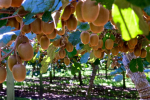
New Zealand’s primary sector exports continue to surpass expectations, with revenue forecast to grow 7.1% on the previous financial year.
Primary Industries Minister Nathan Guy says the agriculture sector remains in good heart despite Fonterra’s recently announced reduced forecast payout.
The stigma of bovine TB remains huge in rural communities despite a decline in the number of infected herds, says Stu Hutchings, group director of OSPRI.
Lincoln University has welcomed the findings of a Ministry of Business, Innovation & Employment (MBIE) report that shows favourable career prospects for those looking at the primary sector.


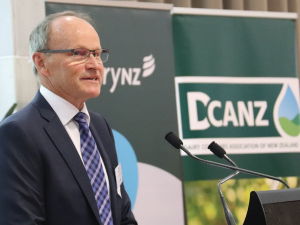
Dairy processors are ready to further boost New Zealand’s export earnings but want the incoming government to match their ambition with good policy.
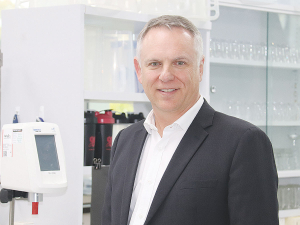
Massey University is best placed to solve the “problems” facing the dairy industry, says vice chancellor, Pierre Venter.
Synlait's longest serving employee – a man who joined the Canterbury-based milk processor even before it began processing milk – is now its newest executive.
A dairy industry leader believes eradicating the common and costly disease, Bovine Viral Diarrhoea (BVD) is within reach.
A farmgate milk price of $10/kgMS this season is firming up as milk powder prices soar and the New Zealand dollar weakens.
Federated Farmers has welcomed new rural policies released by ACT, saying they align closely with its own election priorities.



OPINION: The same mainstream media muppets that brought you Jacindamania in 2017 have been flat out pimping for the Opportunities…
OPINION: Your old mate reckons the atrocious way farmers in the UK are treated by their lords and masters in…




