
Federated Farmers Welcomes ACT’s New Farming Policies
Federated Farmers has welcomed new rural policies released by ACT, saying they align closely with its own election priorities.



 increase font size
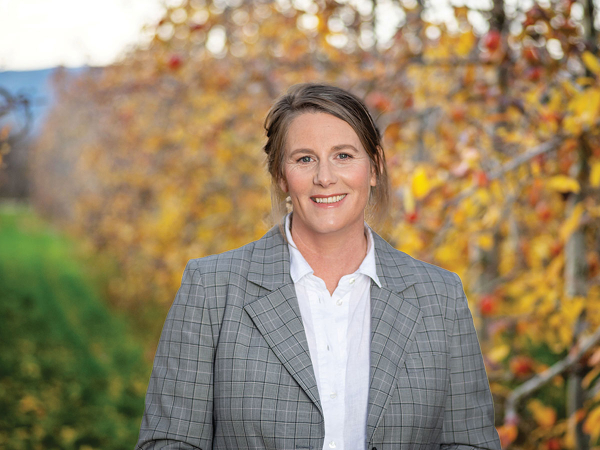 HortNZ chief executive Kate Scott.
Horticulture New Zealand (HortNZ) has released its 2026 election manifesto, outlining priorities to support the sector’s growth, resilience, and contribution to New Zealand’s food security and export revenue.
“The horticulture sector is essential to the health of New Zealanders and contributes significantly to our economy,” says HortNZ chief executive Kate Scott.
“The Ministry for Primary Industries’ latest Situation and Outlook for Primary Industries (SOPI) report forecasts horticulture export revenue will rise five per cent to $9.2 billion in the year to 30 June 2026.
“Together with Government, industry, Māori and science partners, the sector aims to double the farmgate value of horticulture production by 2035.
“To achieve this, we need practical policy settings including strengthening biosecurity and crop protection access, cutting red tape, ensuring sustainable water security, building a skilled workforce, supporting fair grocery markets and investing in critical infrastructure.
“Our growers are committed to meeting environmental and food safety standards, but current regulations are often inefficient.
“Streamlined processes, clear national direction, and recognition of trusted industry standards can reduce compliance burdens while maintaining strong outcomes.
“By backing growers and removing unnecessary barriers, New Zealand can strengthen its food system, support regional growth, and ensure horticulture continues to contribute to wellbeing, regional economies, and export growth.”
Key priorities outlined in the manifesto
“A future-focused horticulture sector underpins New Zealand’s long-term economic goals, from increasing productivity and diversifying exports to building a low-emissions economy with strong international competitiveness,” says Scott.
“With consistent policy, fair markets, secure water and workforce settings, and access to modern tools, horticulture can remain one of New Zealand’s standout sectors.”
Federated Farmers has welcomed new rural policies released by ACT, saying they align closely with its own election priorities.

OPINION: The farm policy on the table this election, what it could mean for land, and why the market you're in today still matters most
Beef + Lamb New Zealand says the National Party’s agriculture plan provides a strong basis for lifting productivity, supporting rural communities and recognising the sheep and beef sector’s environmental track record.
OPINION: Most farmers know which company collects their milk, processes their meat, supplies their fertiliser or lends them money. But how many know that many of those same companies are investing hundreds of millions in technologies designed to intervene in the natural digestive process of our animals? Did anyone ask farmers whether this is the future they want?
OPINION: Being the father of four, children’s books from our local library were regularly at our place.


Federated Farmers has welcomed new rural policies released by ACT, saying they align closely with its own election priorities.

Rural Contractors NZ says proposed changes to land transport rules for agricultural vehicles are a welcome response by the Government to out of date regulations which have seen members hit with huge fines.
Alliance is calling for final applications for its 2027 Graduate Programme, with applications closing on Sunday 25 October.
Decades piloting planes has ensured vet and farmer David Hayes is focused on safety. So, after a serious accident while welding on farm, he is sharing his experience so others can learn from it.
Canterbury milk processor, Synlait Milk has confirmed Leon Fung as its chief executive officer.
OPINION: Making it easier to collect rainwater and use it to grow crops and livestock is a no brainer.


OPINION: The same mainstream media muppets that brought you Jacindamania in 2017 have been flat out pimping for the Opportunities…
OPINION: Your old mate reckons the atrocious way farmers in the UK are treated by their lords and masters in…




