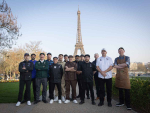
World Butchers' Challenge captains go head-to-head before competition
Ahead of the World Butchers' Challenge, the captains of 14 nations’ teams squared off in Paris over the weekend.




 increase font size

Meat Industry Excellence (MIE) is holding more meetings in Te Kuiti and Gisborne next week.
"As both Gisborne and Te Kuiti are major sheep producing areas, it is important that they be given the opportunity to be part of the meat industry's change process," says John McCarthy, MIE executive member.
"The MIE initiative is based around the premise that the industry model is broken.
"The 'Boom and Bust' model is not serving any of its participants well and needs serious attention if sheep and sheep farmers are to have a future.
"MIE is focused on an orderly process and the first part is to get a mandate from the grassroots, hence why we are having these meetings.
"Farmers are sick of two good years in 10, they are sick of being told to lift their performance only to have their efforts eroded by company schedules and an apparent lack of marketing strategies.
"Drought is one thing but returns resembling an ECG machine you'd find in a hospital is no future. Meat Industry Excellence stands for creating that viable future and farmers can learn more at our latest meetings next week.
"Pass the message on about them," McCarthy says.
Meeting details for Gisborne & Te Kuiti
Gisborne: 2pm Wednesday, May 15. Bushmere Arms, 673 Matawai Rd, Gisborne
Te Kuiti: 2pm Friday, May 17. Waitomo Cultural and Arts Centre, Corner of King and Jennings St, Te Kuiti.
Ahead of the World Butchers' Challenge, the captains of 14 nations’ teams squared off in Paris over the weekend.
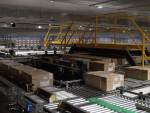
Alliance Group has launched a new $16 million warehouse technology system at its Lorneville plant near Invercargill.
The main beneficiaries of the EU FTA will be kiwifruit, onions, honey, wine and seafood.
A new independent global report commissioned by Meat Business Women shows a rise in women’s representation in senior leadership roles in the meat industry over the past three years.
OPINION: Your old mate was told about some research that proves that what consumers claim and what they actually do are very different.

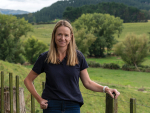
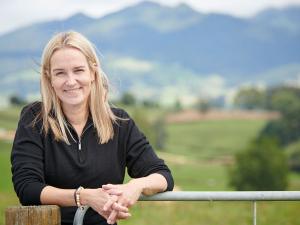
Minister of Conservation Hon Tama Potaka has appointed Susan O'Regan as Chair of the Queen Elizabeth II National Trust (QEII) for a three-year term.
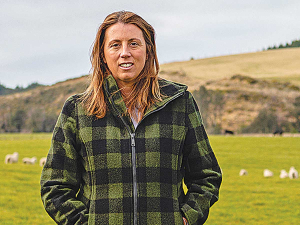
Red meat farmers are welcoming Labour’s plan to review the Emissions Trading Scheme and not to campaign on pricing agricultural emissions.
Where any worker in the kiwifruit industry is mistreated, we expect the authorities to take action.
Mid Canterbury Federated Farmers arable chair, Bevan Lill, said Beef + Lamb NZ data indicated that for the last six years, the average arable return on investment was about 0.8% while inflation ran about 4% - so the average arable farm was going backwards at about 3% a year.
Seed and grain companies share the concerns of arable farmers about the viability of their sector, says Seed and Grain New Zealand chief executive Dr Sarah Clark.
The New Zealand Institute of Forestry (NZIF) says unnecessary changes to New Zealand’s Emissions Trading Scheme (NZ ETS) will seriously erode investor confidence and result in significant reductions in forest planting rates.


OPINION: The same mainstream media muppets that brought you Jacindamania in 2017 have been flat out pimping for the Opportunities…
OPINION: Your old mate reckons the atrocious way farmers in the UK are treated by their lords and masters in…