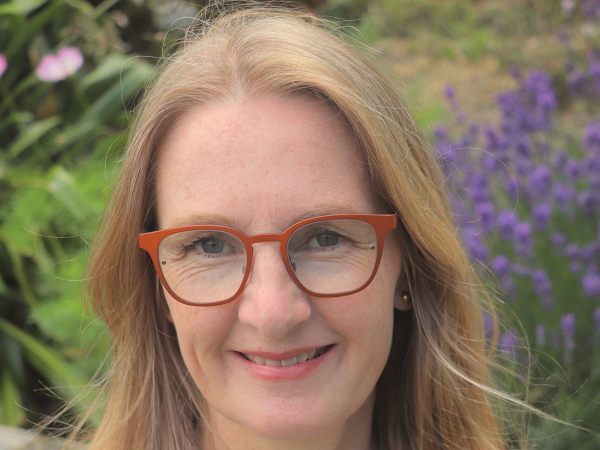
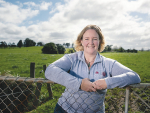
Seed and grain companies share the concerns of arable farmers about the viability of their sector, says Seed and Grain New Zealand chief executive Dr Sarah Clark.
With increasing numbers of arable farmers looking to diversify or even abandon arable altogether to go dairying, Clark said it was not true that the companies were unaware of the exodus facing the sector.
“The seed companies have seen that coming, they’re aware of it. And are doing what they can,” she told Rural News.
She said the companies know that profit margins for farmers are under threat, with costs having increased significantly, particularly for fuel, fertiliser, agri-chemicals and replacement machinery.
Unfortunately, a lot of that was caused by things that neither the farmers not the companies had control over – global inflation, geopolitics impacting markets and the cost of fuel and fertiliser, and poor weather over the last two summers leading to yield and quality issues.
Clark said part of the difficulty was that the sector was fragmented, with different pressures on its four broad areas – grain, Nui ryegrass, vegetable seed multiplication, and proprietary New Zealand seed.
Clark said that grain and the New Zealand-bred non-proprietary Nui ryegrass were both commodities with prices set internationally and minimal margins.
“There are a lot of components that the seed companies can’t control.”
Seed multiplication of vegetable seed for overseas companies was one area where returns could be good but the need for strict rotation for purity assurance, pest control and soil health meant farmers had to break it up with poorer-performing grains.
“The seed companies have to provide pure seed back to the company offshore and to do that, they can’t grow the same variety in the same paddock year after year; I think there’s between about 10 and 12 years before you can grow the same species in the same spot.”
Power of Collaboration
The Arable Sector Forum took place in Christchurch last week (September 7).
It brought together government, growers, and industry to discuss challenges and opportunities facing the sector and actions to help drive its future success.
Key discussion included sector priorities, creating value, boosting grower returns, building sector resilience, market insights, and potential opportunities for collaboration.
Seed and Grain New Zealand chief executive Dr Sarah Clark said a big strength of the sector was its power of collaboration.
"Without the arable farmer, there is no seed and grain trade and there are no seed companies. The seed companies absolutely understand that we're in it together."
She said the companies working with overseas seed multiplication had been negotiating hard with their suppliers, and there had been an increase in returns for farmers this year.