
FAR Eyes NZ Grain as Dairy Supplementary Feed
Dr Scott Champion, Foundation for Arable Research chief executive, says that everyone in the supply chain had a role to play in driving the sector's long-term success.




 increase font size
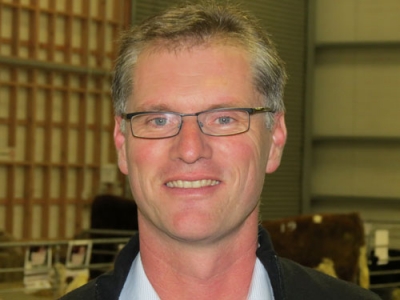 Beef + Lamb NZ chief executive Scott Champion.
The weak NZ dollar is providing an unexpected windfall for the country’s sheep and beef farmers.
Beef + Lamb NZ chief executive Scott Champion says the weak dollar benefits the farmgate price significantly, a 10% depreciation of the NZ$ equating to a theoretical 14-18% increase in price.
But Champion warns there are downsides to the weaker dollar – imported machinery, fuel and fertiliser costs farmers more.
Meanwhile, the latest BLNZ statistics show that the weak NZ$, high NZ beef production and strong demand for beef have resulted in a 37% rise in beef and veal export revenue in the first nine months of the current season vs the previous season.
BLNZ says dry conditions early in the summer and low milk prices led to an earlier and extended dairy cow cull than in previous years. From October 2014 to June 2015, NZ beef and veal exports reached 340,430 tonnes shipped weight – up 8.8% on the same period last season.
The strongest demand for NZ beef and veal in 2014-15 came from the US, which took 57% of total shipments, and China which took 12%. Export tonnages to the US and China increased by 23% and 38% respectively.
For the first time, beef and veal exports to China overtook mutton exports in volume.
Despite more lambs being processed, NZ lamb exports decreased 4% to 237,780t in the nine months to June 2015 vs the same period in the previous season. This was led by a fall in demand from China where lamb exports fell 12% in the first nine months of the current season vs the previous season.
Lamb exports to the European Union were up 4.7%. This reflected higher tonnages to Germany, Netherlands and Belgium, offset by lower exports to Britain – still the largest market for NZ lamb.
Dr Scott Champion, Foundation for Arable Research chief executive, says that everyone in the supply chain had a role to play in driving the sector's long-term success.
It's only just hit the market, but a new forage rape bred for dryland farms has already won the approval of lambs and young cattle both north and south.
When Simon Hales discovered triple drench resistance on his Weber farm, it was a catalyst to fast-track farm system change.
Ravensdown has reported a net profit before tax and rebate of $50.1 million for the year ended 31 May 2026.
OPINION: Could beef cows play an increasingly important role in improving profitability and resilience on hill country farms?


Federated Farmers has welcomed new rural policies released by ACT, saying they align closely with its own election priorities.

Rural Contractors NZ says proposed changes to land transport rules for agricultural vehicles are a welcome response by the Government to out of date regulations which have seen members hit with huge fines.
Alliance is calling for final applications for its 2027 Graduate Programme, with applications closing on Sunday 25 October.
Decades piloting planes has ensured vet and farmer David Hayes is focused on safety. So, after a serious accident while welding on farm, he is sharing his experience so others can learn from it.
Canterbury milk processor, Synlait Milk has confirmed Leon Fung as its chief executive officer.
OPINION: Making it easier to collect rainwater and use it to grow crops and livestock is a no brainer.


OPINION: The same mainstream media muppets that brought you Jacindamania in 2017 have been flat out pimping for the Opportunities…
OPINION: Your old mate reckons the atrocious way farmers in the UK are treated by their lords and masters in…




