Feds Back National’s 19 Farming National Standards
National’s pledge to introduce 19 new national standards shows the party is serious about getting Wellington out of farming, Federated Farmers says.




 increase font size
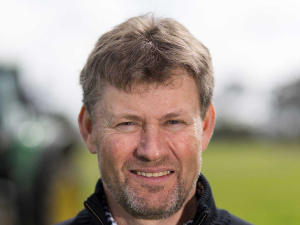
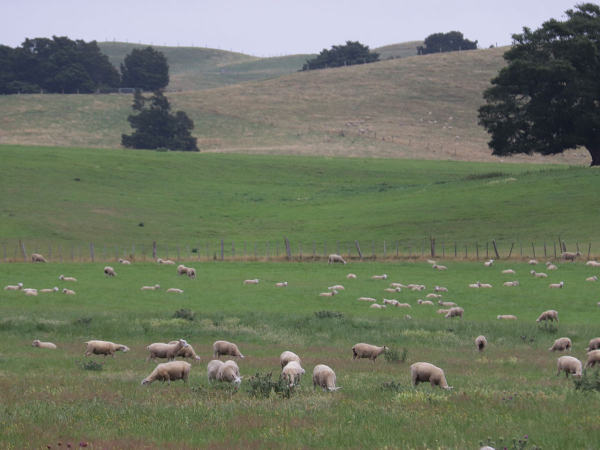 Federated Farmers Hawke's Bay president Jim Galloway says the availability of stock water is a problem on some farms.
Sheep and beef farmers in Hawke's Bay are being urged to keep a close eye on the wells that supply water to their stock.
This is despite some significant rain in the region over the past month.
Federated Farmers Hawke's Bay president Jim Galloway says the availability of stock water is a problem on some farms and he knows of one well that has run dry and others that are running low.
His comments tie in with reports from the Hawke's Bay Regional Council which says, while recent rains have offered some relief, regional hydrology is still reflecting the warm and dry conditions. They add that river flows across much of the catchment remained below their long-term averages, with the exception of catchments in the north of the region where flows are near or above normal.
Driving through the region the colour of the landscape has changed from brown to green in the last month or so and Jim Galloway says the situation is variable and some areas aren't looking too bad.
"We had significant rain between Christmas and new year. On my farm we had about 70mm. Some areas had more, so in general, Hawke's Bay had above average rainfall for December and we went from brown to green and we have stayed green," he says.
Galloway says they had rain in the middle of November and more in early December. But he says the 'green look' from a distance is deceptive because the grass is very thin and very sparse.
"Instead of a lot of grass plants per square metre, there are only a few and the grass is short. Effectively what we are experiencing is a green drought," he says.
Galloway says the green can turn to brown in a few days and the recent high temperatures and drying winds can quickly change the situation. He says the wind can suck the water out of the ground.
The regional council report also confirms what Gallway is saying. It says by the end of December, rainfall was above average for the region and even higher in southern Hawke's Bay, and ground water levels in some places are showing signs of improvement.
 |
|---|
|
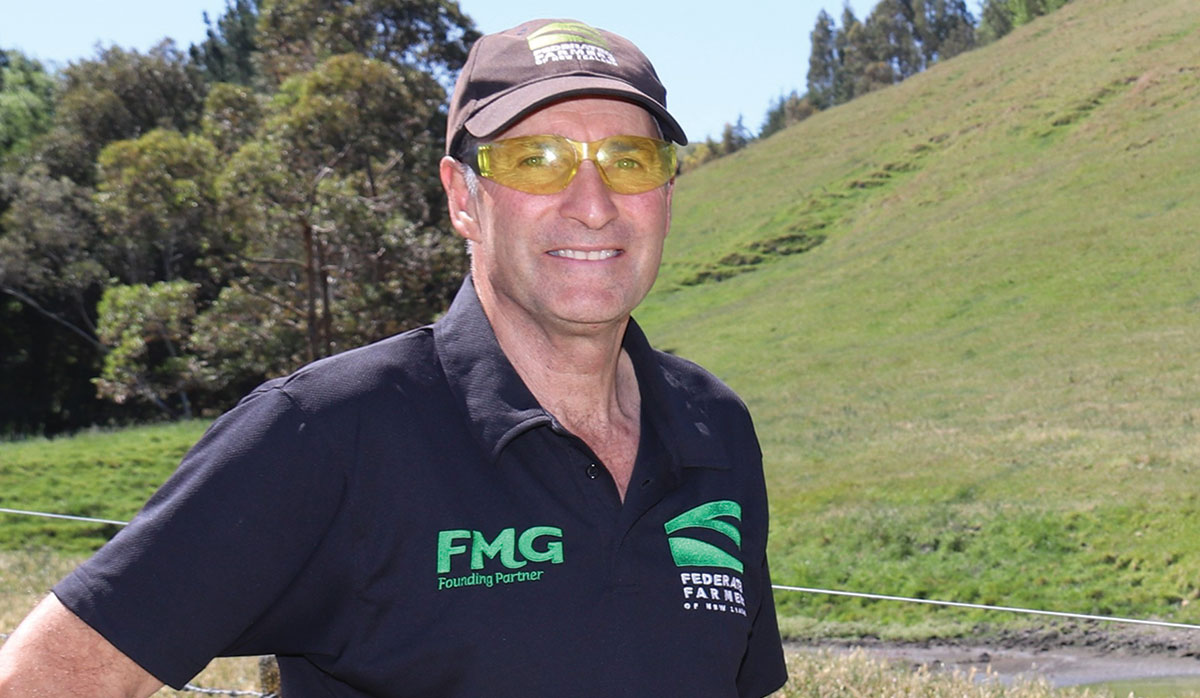
Jim Galloway |
But the situation is far from stable and Galloway says many sheep and beef farmers have been selling stock early because they don't have the grass to feed surplus animals.
"My message to farmers is to make sensible decisions around stocking rates and keep an eye on the conditions. In particular, either check yourself or get someone with expertise to check the water level, you may need to deepen it to keep stock water going," he says.
National’s pledge to introduce 19 new national standards shows the party is serious about getting Wellington out of farming, Federated Farmers says.
Mobile phone coverage and reliability are deteriorating in rural areas, and farming families are bearing the cost, according to a Federated Farmers survey.
Central Otago District Council (CODC) has voted against a plan to spread treated sewage sludge from Cromwell and Alexandra on farmland near Lauder, a decision Federated Farmers says reflects strong opposition from rural residents.
Federated Farmers has called on Central Otago District Council (CODC) to drop or vote down a plan to truck sludge from Alexandra and Cromwell to farmland near Lauder, warning it would compound an "outrageous" situation created by a separate council's decision weeks earlier.
Federated Farmers says new legislation replacing the Resource Management Act will cut red tape, unlock investment and help grow New Zealand's export-led economy, after the Planning Bill and Natural Environment Bill passed their third reading in Parliament yesterday.


Mark Hooper has been appointed the new chair of NZPork, the industry organisation representing New Zealand pig farmers.

As the India-New Zealand free trade agreement enters into force, New Zealand’s apple industry has reaffirmed its commitment to the long-term development of India’s apple sector.
Fonterra shareholders can begin voting on Tuesday 20 October in the 2026 Board of Directors’ election, a Co-operative Council election in one Ward, and seven Annual Meeting resolutions.
National’s pledge to introduce 19 new national standards shows the party is serious about getting Wellington out of farming, Federated Farmers says.
The National Party’s policies to make it easier to grow fresh vegetables, secure reliable water and energy and simplify farm planning are practical changes that will give growers the confidence to invest, according to Horticulture New Zealand (HortNZ).
Fonterra Co-operative Group chief financial officer Andrew Murray has resigned to take up a role outside the dairy giant.




OPINION: The same mainstream media muppets that brought you Jacindamania in 2017 have been flat out pimping for the Opportunities…
OPINION: Your old mate reckons the atrocious way farmers in the UK are treated by their lords and masters in…




