India FTA Removes 33% Tariff on NZ Sheepmeat
New Zealand’s red meat sector has welcomed the India-New Zealand Free Trade Agreement taking effect, which removes India’s 33% tariff on New Zealand sheepmeat.




 increase font size

BEEFING UP biosecurity and helping to secure improved market access are two priorities for Nathan Guy as he resumes his role as Minister for Primary Industries.
Guy got back his former job in the Cabinet, but there have been changes to some portfolios concerned with the primary sector. He told Rural News he was delighted to get a call from the Prime Minister saying he was in the Cabinet again.
“I’m looking forward to my role as I have a lot of unfinished business to deal with,” Guy says. “Agriculture is in my blood and I will keep working hard for what is a huge part of the New Zealand economy.”
It will be tougher for dairy farmers this season with the lower payout, Guy says, but they will get through it and the grass will continue to grow. They are extremely resilient.
“They have been through droughts, snowstorms and floods. They have just had a fantastic season despite some strong headwinds including the high US dollar. Last season’s $8.40 payout by Fonterra was a fantastic result and some of that money is still flowing through into this season.
“Farmers would have known… the payout is volatile: it goes up and down. The 15-year average is $5.25. Dairy farmers know it will be tough and they will be working closely with their banks and accountants… doing a line-by-line review of their cashflow and budget.”
One way the Government can help dairy farmers is by pressing for more free trade agreements, Guy says, and he will work with Trade Minister Tim Groser to remove trade obstacles and secure more FTAs. Such agreements offer huge potential for the dairy and red meat sectors.
“I will also work with the new Minister for the Environment Nick Smith on RMA reform, a big part of our economic growth. We [must] manage our economic growth in conjunction with our environmental obligations. I’ll also champion water storage projects and the importance of these for rural and regional New Zealand.”
Maori economic development is another of Guy’s priorities, linked to the Government’s goal of lifting the value of exports to $64b by 2025. Guy says his ministry has some “great work underway” to assist Maori trusts to lift the performance of their farms.
He also wants to work on projects to encourage the “brightest and best” young people into agriculture.
Guy remains optimistic for the primary sector because of the huge demand for protein, especially in Asia. He says the Government will continue to fund science and technology to help farmers improve productivity and profitability.
New Zealand’s red meat sector has welcomed the India-New Zealand Free Trade Agreement taking effect, which removes India’s 33% tariff on New Zealand sheepmeat.

New Zealand's role is not to compete with Indian growers, according to NZ Apples and Pears.
The red meat sector is in great heart.
National’s much-touted free trade deal with India featured in the Rural Issues Debate at Mystery Creek, Hamilton on Wednesday night.
It was billed as a chance for all the political parties to woo the rural vote, but question marks hang over just how effective this was.

OPINION: At first glance it appears that Father Christmas has delivered the rural sector good tidings, with most pundits predicting the return of the centre-right coalition.
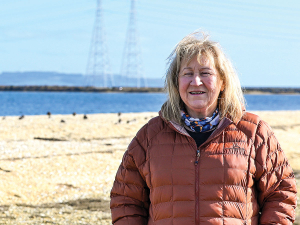
For 15 years, Glenda Rees has travelled from Gore to Awarua, often several times a week, to keep watch over one of the country’s rarest birds.
With some farmers opposing a government-industry partnership set up to develop methane reducing products, one NZ company claims that it already has a product on the market.
During the nesting season, from September to December, industrious starlings can quickly build nests in the darker areas behind tractor and vehicle, usually close to hot engines, typically resulting in localised damage or in some cases complete write-offs.
The meat processing industry is much more collegial than it was in the past and is now more focused on common goals.
With the last couple of months having seen some potential tractor purchases put on hold with the impending election and continued input cost rises, year-to-date figures, ending September, has seen deliveries up around 5% over the same period in 2025, with a total of 2026 units.





OPINION: The same mainstream media muppets that brought you Jacindamania in 2017 have been flat out pimping for the Opportunities…
OPINION: Your old mate reckons the atrocious way farmers in the UK are treated by their lords and masters in…