
India FTA Removes 33% Tariff on NZ Sheepmeat
New Zealand’s red meat sector has welcomed the India-New Zealand Free Trade Agreement taking effect, which removes India’s 33% tariff on New Zealand sheepmeat.




 increase font size
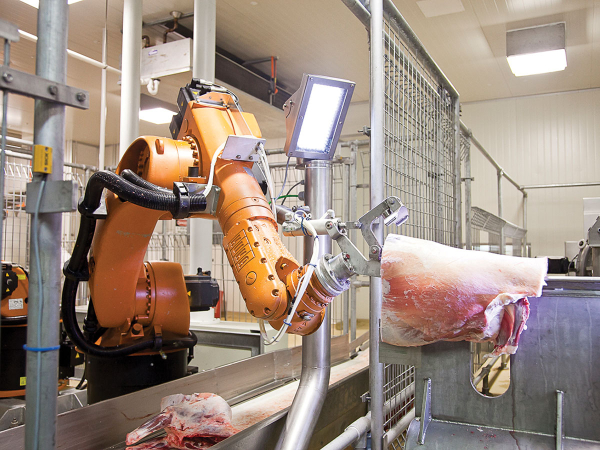 The meat industry relies on gas for operations including refrigeration and the killing chains.
Rising energy prices are putting financial pressure on the meat processing industry, according to the chair of Meat Industry Association, Nathan Guy.
He says the meat industry is an energy intensive processing business and its operations rely on it to run the various components within the industry such as refrigeration and the killing chains.
Guy says the problems the sector is facing concern declining domestic gas supplies and the increased cost of gas, plus the rising cost of electricity.
He says that electricity prices have increased substantially, driven by higher transmission and distribution charges and having to deal with aging infrastructure. He says there is always pressure on our hydro generation system because of droughts and that leads to a degree of uncertainty.
“On the positive side, the Government has repealed the ban on oil and gas exploration which is fantastic to try and discover new reserves to bridge the gap, while renewables play a larger part in energy generation,” he told Rural News.
“However, there is political uncertainty with the Labour Party threatening to reinstate the ban, which doesn’t create any level of energy certainty,” he says.
Guy says what needs to happen is a government-driven national energy strategy. He says this can’t come soon enough and has been in the pipeline for a while now. He says what high energy users such as the meat industry need is regulatory certainty.
“Also looming fast is the potential need for climate reporting obligations for any changes in emissions pricing through the ETS, so there are couple of grey clouds there,” he says.
Guy acknowledges the role that EECA (the Energy Efficiency and Conservation Authority) has played in setting up a five-step approach to help reduce emissions and also their help with energy audits. He says in due course there will be an opportunity for biogas but this will require capital, and to convert the waste stream into renewable energy requires scale.
Meanwhile Guy says besides energy, meat companies, like most Kiwi companies, are dealing with rising costs domestically and internationally. Wages have gone up significantly, although he says that isn’t necessarily a bad thing, but it is a reality.
“Local council rates that have gone sky high in places, and then you have got insurance costs that have also risen,” says Guy.
“On the international front there are offshore freight constraints to get to some markets efficiently, as we have seen play out with the Suez Canal in recent times. And on top of that we have all the geopolitical headwinds, including the 15% tariff into the US and the overall rise of protectionism globally,” he says.
In all these situations it’s the meat companies who take all the risk, says Guy. But he also notes that NZ is being somewhat shielded from the effects of many of the problems because current demand for our meat is outstripping supply.
New Zealand’s red meat sector has welcomed the India-New Zealand Free Trade Agreement taking effect, which removes India’s 33% tariff on New Zealand sheepmeat.

New Zealand's role is not to compete with Indian growers, according to NZ Apples and Pears.
The red meat sector is in great heart.
New Zealand's red meat and fifth-quarter exports reached $867 million in August, up 23% on the same month last year, as stronger returns lifted earnings across all major markets.
Meat Industry Association data, released alongside the Red Meat Sector conference in Wellington, shows export value climbing across the US, China, UK and Canada.


Federated Farmers has welcomed new rural policies released by ACT, saying they align closely with its own election priorities.

Rural Contractors NZ says proposed changes to land transport rules for agricultural vehicles are a welcome response by the Government to out of date regulations which have seen members hit with huge fines.
Alliance is calling for final applications for its 2027 Graduate Programme, with applications closing on Sunday 25 October.
Decades piloting planes has ensured vet and farmer David Hayes is focused on safety. So, after a serious accident while welding on farm, he is sharing his experience so others can learn from it.
Canterbury milk processor, Synlait Milk has confirmed Leon Fung as its chief executive officer.
OPINION: Making it easier to collect rainwater and use it to grow crops and livestock is a no brainer.



OPINION: The same mainstream media muppets that brought you Jacindamania in 2017 have been flat out pimping for the Opportunities…
OPINION: Your old mate reckons the atrocious way farmers in the UK are treated by their lords and masters in…




