Election 2026: How Parties Would Lift the Arable Sector
As part of its Election 2026 coverage, Rural News asked political parties how they would help pull the arable sector out of the doldrums. Here's what they said:




 increase font size
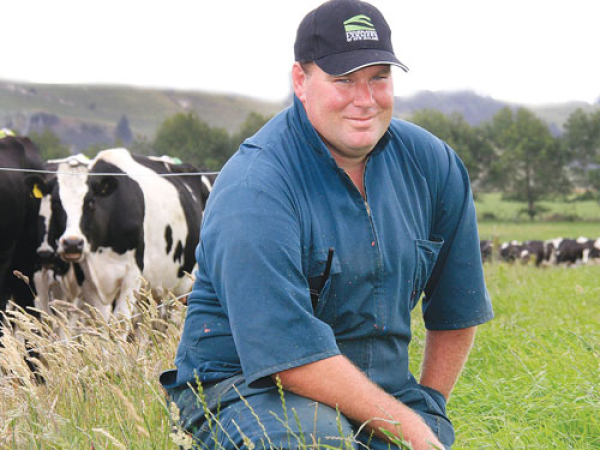 Associate Agriculture Minister Andrew Hoggard.
Six livestock industry groups have signed a new agreement with the Government on how to prepare for, and respond to, a possible outbreak of Foot and Mouth Disease.
The deal, announced at National Fieldays, also sets out how the costs of FMD readiness and response activities will be shared between the Government and the group – made up of DairyNZ, the Dairy Companies Association, Beef + Lamb New Zealand, NZPork, Deer Industry New Zealand, and the Meat Industry Association.
The livestock sector partners will meet 40% of readiness costs, and 15% of response costs which are capped at $450 million. The Crown's reference exposure is $2.5 billion for responding to an FMD outbreak, but this could run higher in the very unlikely event of more than one outbreak during the term of the Agreement.
Biosecurity Minister Andrew Hoggard says an outbreak could cost up to $3 billion to eradicate.
“But doing nothing would be far worse - potentially slashing export values by $14.3 billion per year until it’s controlled,” says Hoggard.
“Through this agreement, we’re locking in a truly collaborative approach. Industry will contribute 40% of readiness costs and 15% of response costs - capped at $450 million - and in return, they’ll have a formal seat at the decision-making table.”
Hoggard says the agreement reflects years of work and a shared commitment to protecting New Zealand’s vital livestock sector.
“This is a significant and practical step forward for our national biosecurity system.”
DairyNZ chief executive and inaugural chair of the Foot and Mouth Disease Council Campbell Parker welcomed the signing.
“Biosecurity is a key priority for DairyNZ as it helps us to power more productive and resilient farms – with dairy farmers the biggest sector investors in the biosecurity system,” he says.
“Dealing with an outbreak of FMD would cost the livestock sector billions, and we want to be involved in deciding how those costs would be best spent.”
Beef + Lamb New Zealand chair Kate Acland says the wide sector support for this agreement was reflected in a clear ‘yes’ vote from sheep and beef farmers, following the high-profile voting campaign undertaken by B+LNZ over April and May.
“We needed their formal approval to sign the agreement, and our farmers told us they want to have a voice in decision-making about readiness and response activities and funding,” she says.
Dairy Companies Association of New Zealand executive director Kimberly Crewther says the agreement is a major milestone after over a decade of engagement to establish the foundations for partnership in addressing this most significant biosecurity risk for the livestock sectors.
“Recent overseas FMD outbreaks, including in Europe, reinforce the importance of getting to this point and ensuring government and industries’ combined resources, knowledge, and capability can be deployed in the most efficient and effective way to reduce risk and impacts.”
Deer Industry New Zealand chief executive Rhys Griffiths says the legally binding agreement gives the deer industry a seat at the table, which is vital for representing the voices of our farmers.
“Such representation is crucial, not just for the deer industry but for the wider primary industries and the channeling of farmer perspectives to government."
NZPork chief executive Brent Kleiss notes that pig farmers will have a seat at the table in planning and decision-making “so that our sector’s unique needs are understood and addressed as we shape a co-ordinated national response”.
MIA chief executive Sirma Karapeeva says the agreement has support across the agricultural sector and shows a clear commitment of both Government and industry to work collaboratively on FMD.
Sectors’ cost shares:
As part of its Election 2026 coverage, Rural News asked political parties how they would help pull the arable sector out of the doldrums. Here's what they said:
Today, 15 October, is the International Day of Rural Women, which recognises rural women’s contribution to farming, communities and the environment.
OPINION: Rivers never sit still. They start as snowmelt and rain in the high country, pick up a creek here and a stream there, and carry all of it down to where it's needed.
The first major update to the Dairy Cattle Code of Welfare in more than a decade has been released, marking what DairyNZ describes as an important step in ensuring animal welfare standards continue to evolve alongside scientific evidence and on-farm realities.
OPINION: Well, the silly season is upon us and all us politicians are running around shaking babies and kissing hands, or maybe the other way around.


As part of its Election 2026 coverage, Rural News asked political parties how they would help pull the arable sector out of the doldrums. Here's what they said:
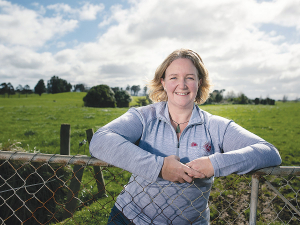
Farmers are being encouraged to rethink how they manage waste on farm with the launch of ruralwastesorted.co.nz, a new website bringing together practical tips, real farmer experiences and resources.
New Zealand Winegrowers (NZW) is celebrating the India-New Zealand Free Trade Agreement (FTA) coming into force today, bringing New Zealand wine improved access to one of the world’s fastest-growing economies.
New Zealand’s red meat sector has welcomed the India-New Zealand Free Trade Agreement taking effect, which removes India’s 33% tariff on New Zealand sheepmeat.
More than 95 per cent of New Zealand’s forestry and wood exports to India can now enter tariff free as the New Zealand-India Free Trade Agreement comes into force today.
Federated Farmers is backing Feilding High School’s call to keep Agriculture and Horticultural Science as a standalone subject in Year 11.

OPINION: The same mainstream media muppets that brought you Jacindamania in 2017 have been flat out pimping for the Opportunities…
OPINION: Your old mate reckons the atrocious way farmers in the UK are treated by their lords and masters in…




