
Canterbury Boosts Wallaby Control With $2M Funding Push
Wallaby control efforts in Canterbury have received a major boost, with Canterbury Regional Council releasing $2 million from its Pest Management Reserve.




 increase font size
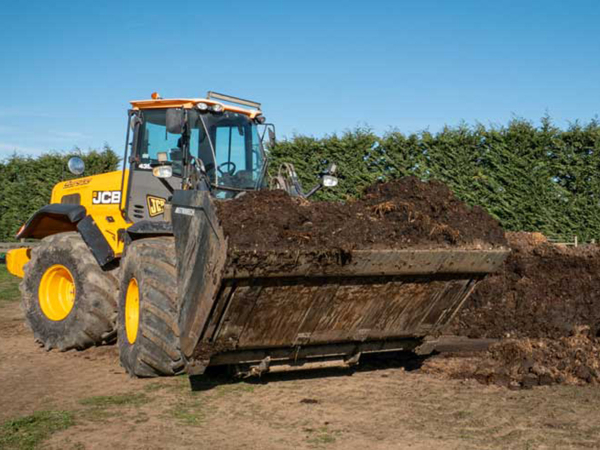 A group of 10 farmers across the region have been testing the guidance, putting it into practice over the past year.
Environment Canterbury, alongside industry partners and a group of farmers, is encouraging farmers to consider composting as an environmentally friendly alternative to offal pits.
The council is offering in-depth guidance for farmers on how to compost animal mortalities on-farm.
The guidance has been developed in partnership with a group of test farmers across Canterbury, with support from DairyNZ, Synlait, and Morven Glenavy Ikawai (MGI) Irrigation Company Ltd.
Melissa Gilespie, Environment Canterbury senior farm plan advisor and composting project lead, says the guidance was born out of a clear need.
“We’ve been hearing from farmers that the options for dealing with animal mortalities are increasingly limited," Gillespie says.
"Offal pits can be problematic in terms of environmental impact. And there are less options available for getting carcasses taken away. So, interest in composting has increased a lot in recent years," she adds.
“After a bit of discussion about this at our Farm Environment Plan Audit Reference Group (FEP ARG) hui (meetings), we decided we all needed to work together to develop really practical guidance on how to compost livestock successfully.”
Gillespie says that collaborating with farmers has been critical for the composting management guidance to come together.
“This guidance is peer-to-peer, farmer-to-farmer. All the learnings and knowledge in the guidance have come from farmers who have experience with composting and have been testing our draft guidance over the last year.”
“The response has been overwhelmingly positive – farmers are excited about it. Composting is a great solution, and it’s pretty straight forward to get going.”
A group of 10 farmers across the region have been testing the guidance, putting it into practice over the past year.
Waimakariri dairy farmer, Gavin Bay, says it's easy - once it's set up, it pretty much looks after itself.
“The main reason we started a compost pile was because it’s getting harder every year to get rid of dead stock, and we’re all about lessening our impact on the environment. It’s actually not that hard. Once it’s set up, it pretty much looks after itself. My best advice is to get good contractors to help set it up, and plan well where you’re going to put your pile. It’s a great method of getting rid of your dead stock, and it doesn’t take a huge area.”
Ashburton chicken and calf farmer, Simon Raisbeck, composts his farm’s waste, including mortalities and unsaleable eggs, to improve soil quality.
“It’s a great way to get rid of waste products on the farm, but also to improve the soil structure on the farm. The compost really helps retain the moisture in the soil. I say, use what you’ve got to the best of your ability – compost is a fantastic material. It’s easy to do. Why not use it and improve your soil structure with it?”
Wallaby control efforts in Canterbury have received a major boost, with Canterbury Regional Council releasing $2 million from its Pest Management Reserve.
Newly released data from Environment Canterbury (ECan) Farm Environment Plan (FEP) audits are showing a dramatic lift in environmental performance across the region.
Buying or building a rural or semi-rural property? Make sure you know where the wastewater goes, says Environment Canterbury.
OPINION: Canterbury grows most of the country's wheat, barley and oat crops. But persistently low wheat prices, coupled with a high milk payout, are believed to be driving farmers out of the industry in the hunt for the dairy dollar, according to media reports.
OPINION: The Hound wonders, is there some variety of idiot juice in the water in Canterbury? It seems so.


Decades piloting planes has ensured vet and farmer David Hayes is focused on safety. So, after a serious accident while welding on farm, he is sharing his experience so others can learn from it.
Canterbury milk processor, Synlait Milk has confirmed Leon Fung as its chief executive officer.
OPINION: Making it easier to collect rainwater and use it to grow crops and livestock is a no brainer.
As part of its Election 2026 coverage, Rural News asked political parties how they would help pull the arable sector out of the doldrums. Here's what they said:
Farmers are being encouraged to rethink how they manage waste on farm with the launch of ruralwastesorted.co.nz, a new website bringing together practical tips, real farmer experiences and resources.
New Zealand Winegrowers (NZW) is celebrating the India-New Zealand Free Trade Agreement (FTA) coming into force today, bringing New Zealand wine improved access to one of the world’s fastest-growing economies.

OPINION: The same mainstream media muppets that brought you Jacindamania in 2017 have been flat out pimping for the Opportunities…
OPINION: Your old mate reckons the atrocious way farmers in the UK are treated by their lords and masters in…




