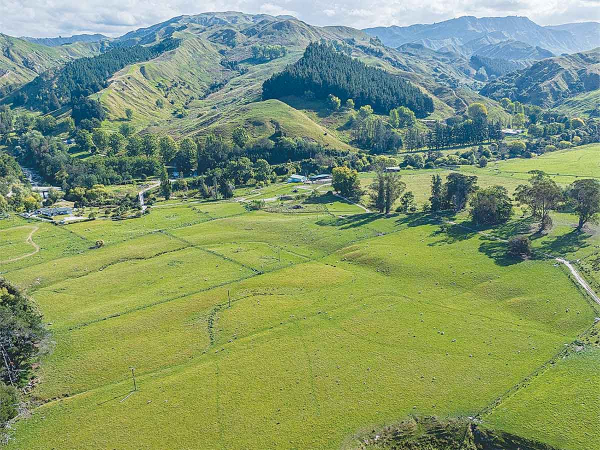
Buying or building a rural or semi-rural property? Make sure you know where the wastewater goes, says Environment Canterbury.
Living outside of a main population centre often means not only sourcing your drinking water but also finding a safe way to treat and dispose of household wastewater.
Most towns and cities have their drinking wastewater managed through reticulated systems, which are paid for through rates. But many semi-rural and rural properties are not connected to wastewater networks.
"If you are able to connect to a wastewater network, it's your responsibility to do so, but if not, you'll have some type of onside wastewater management system (OWMS) or will need to have one installed as part of a build.
"While many OWMS can be installed and operated as a permitted activity, some require resource consent - particularly when located close to other dwellings, drinking water sources or sites with environmental or cultural values."
ECan is urging people to visit the dedicated wastewater section of their website for guidance on the types of OWMS, consenting requirements and maintenance advice.
Buying or selling land or property?
Before you buy a property or piece of land you intend to build on, check if it's connected to a reticulated wastewater system - usually owned and operated by the local council.
"If it's not and there is an existing onsite wastewater management system, you'll need to check with a lawyer or estate agent whether it is concerned, and how it's been operated and maintained," ECan says.