
Keeping cyber attacks at bay
Fonterra says it takes the ongoing threat of 'adverse cyber action' extremely seriously.




 increase font size
 Patrick Sharp, general manager of Kordia-owned Aura Information Security.
Cyber attacks on New Zealand businesses are down.
That’s according to a new report released earlier this month by Kordia, the state-owned enterprise charged with delivering cyber security.
The New Zealand Business Cyber Security Report 2026 saw 247 surveyed business leaders from large New Zealand organisations late last year.
The report revealed that 44% of the businesses surveyed said they had suffered a successful cyber-attack in the 12 months prior to the survey period. This is a drop compared to the 59% reported in the 2025 report.
Patrick Sharp, general manager of Kordia-owned Aura Information Security, says organisations need to work out a response strategy long before they suffer an incident, and they also need to practice that strategy.
He says this means establishing who will manage the incident, who the decision makers are in relation to how severe the incident is, and everything involved in communicating with staff, customers, and regulators.
“As challenging as it can be, it’s critical that business directors and officers recognise their accountability before they’ve been breached. There are many passionate and capable cyber security professionals in New Zealand who can guide effective business advice on cyber resilience,” Sharp says.
“Security is not an insurmountable thing,” he says.
Meanwhile, of the 44% of businesses that reported being impacted by a cyber attack, 17% said personally identifiable information was either accessed or stolen and 21% were concerned this stolen data leading to blackmail or extortion.
One in three businesses said they would be willing to pay a ransom.
“Nobody wants to be faced with a ransom demand, but they can appear to make the immediate problem go away,” says Sharp.
“However, once a ransom is paid, there’s no guarantee a cybercriminal will honour the deal,” he adds.
“The best strategy is to work with the experts to build your cyber resilience, so you can continue operating and recover from an incident without having to give into criminal demands.”
Fonterra says it takes the ongoing threat of 'adverse cyber action' extremely seriously.

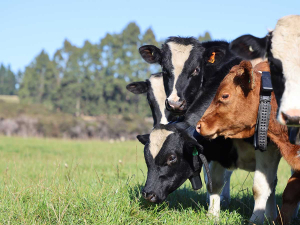
High country stations, mixed sheep and beef farms, Māori-owned farms, corporates and family operations are among the nine commercial farms taking part in the Livestock Innovation Farming Transformation programme, known as LIFT.
OPINION: New health and safety guidance unveiled by the Government recently provides farmers greater certainty about what is expected of them when managing risks on farm.
The National Animal Welfare Advisory Committee (NAWAC) is seeking public feedback on proposed changes to the Code of Welfare for Rodeos.
A New Zealand initiative supporting farmers to restore the health of grazing landscapes has received international backing through the Regenerative Fund for Nature, a global collaborative fund supporting regenerative agriculture and the communities that produce natural fibres for the fashion industry.
Combine premium New Zealand products, blend in a family ritual and what do you get? A world-class functional drink.
Entries are now open across eleven regions for the 2027 New Zealand Dairy Industry Awards (NZDIA).




OPINION: The same mainstream media muppets that brought you Jacindamania in 2017 have been flat out pimping for the Opportunities…
OPINION: Your old mate reckons the atrocious way farmers in the UK are treated by their lords and masters in…




