Aimer Farming Launches Satellite Pasture Monitoring Tool
Farmers can now get a more reliable view of pasture covers across their farm, thanks to a combination of three data sources.




 increase font size
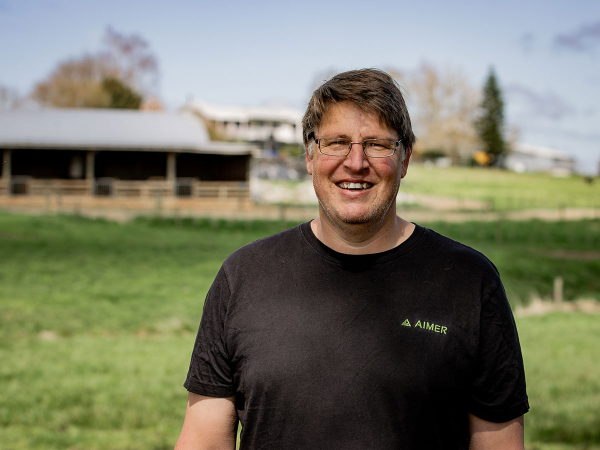 Aimer Farming founder and chief technology officer Jeremy Bryant.
Aimer Farming says it welcomes new Government co-investment aimed at helping New Zealand farmers make faster, more confident pasture and feed decisions.
The funding forms part of the Ministry for Primary Industries' (MPI) Primary Sector Growth Fund, with MPI investing $600,000 in a $1.675 million project with Aimer Farming.
The project is set to scale Aimer Farming's AI-powered pasture measurement and decision technology, AIMER, across hundreds of Kiwi dairy and beef farms and help fast-track new tools designed to save farmers time and reduce uncertainty in daily grazing and feed decisions.
Launched in 2023, AIMER is currently used on more than 650 farms, with over 10,000 pasture measurements recorded each week.
The next phase of development focuses on ‘Ask AIMER’ - a chat‑based AI assistant inside the AIMER smartphone app that allows farmers to simply ask what to do next and receive tailored, farm‑specific recommendations.
Aimer Farming founder and chief technology officer, Jeremy Bryant says the aim is to move beyond reporting information to actively guide farmers’ decisions.
“Farmers don’t need more dashboards of information. They need a better understanding of their options, why they matter, and the confidence to back their own decisions," Bryant says. "Then they can act earlier, avoid costly mistakes and get more from every paddock and every cow.”
Ask AIMER is being built on Aimer Farming’s proprietary technology, which already generates tailored grazing and supplement recommendations for individual farm systems.
The platform uses smartphone‑based computer vision to measure pasture, forecasts feed supply, and creates grazing and supplement plans that reflect each farm’s unique setup and constraints.
By adding a conversational interface, Ask AIMER allows farmers to interact directly with that intelligence.
For example, a farmer can ask which paddocks to take out for silage this week, or how to adjust grazing and supplement plans as conditions change.
AIMER then returns a clear recommendation, along with a short explanation of what’s driving that suggestion.
Bryant says this represents a shift from software that reports information to systems that actively guide decisions.
"We’re building AIMER as the pasture operating system - the eyes to measure pasture accurately, the brain to optimise grazing and supplement plans, and now an action layer that turns insight into clear next steps.”
The project aims to upskill more than 10,000 farmers and rural professionals, increase pasture monitoring by 30%, and lift on‑farm productivity.
It is also expected to support stronger sector earnings and contribute to lower net greenhouse gas emissions through better forecasting and earlier, more informed decision‑making.
Bryant says New Zealand has a global opportunity to lead in pasture‑based farming by exporting pasture intelligence, not just agricultural products.
“Pasture‑based farming is one of the world’s most efficient production systems,” he says.
“If we can help farmers improve pasture utilisation and reduce uncertainty in feed decisions, that lifts profitability, animal performance and environmental outcomes - here in New Zealand and well beyond.”
Farmers can now get a more reliable view of pasture covers across their farm, thanks to a combination of three data sources.
Three New Zealand agritech companies are set to join forces to help unlock the full potential of technology.
Assessing pasture cover has just been become easier, thanks to Artificial Intelligence (AI).
Aimer Farming founder Dr Jeremy Bryant says the company’s app is designed to be a farmer’s “true digital assistant” when it comes to pasture management.
New Zealand Animal Evaluation (NZAEL), a subsidiary of DairyNZ, has set up farmer advisory panel to provide practical, farmer-based feedback on animal evaluation R&D and communication.


Canterbury milk processor, Synlait Milk has confirmed Leon Fung as its chief executive officer.
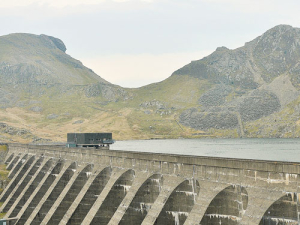
OPINION: Making it easier to collect rainwater and use it to grow crops and livestock is a no brainer.
As part of its Election 2026 coverage, Rural News asked political parties how they would help pull the arable sector out of the doldrums. Here's what they said:
Farmers are being encouraged to rethink how they manage waste on farm with the launch of ruralwastesorted.co.nz, a new website bringing together practical tips, real farmer experiences and resources.
New Zealand Winegrowers (NZW) is celebrating the India-New Zealand Free Trade Agreement (FTA) coming into force today, bringing New Zealand wine improved access to one of the world’s fastest-growing economies.
New Zealand’s red meat sector has welcomed the India-New Zealand Free Trade Agreement taking effect, which removes India’s 33% tariff on New Zealand sheepmeat.



OPINION: The same mainstream media muppets that brought you Jacindamania in 2017 have been flat out pimping for the Opportunities…
OPINION: Your old mate reckons the atrocious way farmers in the UK are treated by their lords and masters in…




