BVD Control Begins Long Before You See A Problem
Bovine Viral Diarrhoea (BVD) is sometimes viewed as a dairy industry issue, but the reality is that the disease can have serious consequences for beef breeding herds as well.




 increase font size
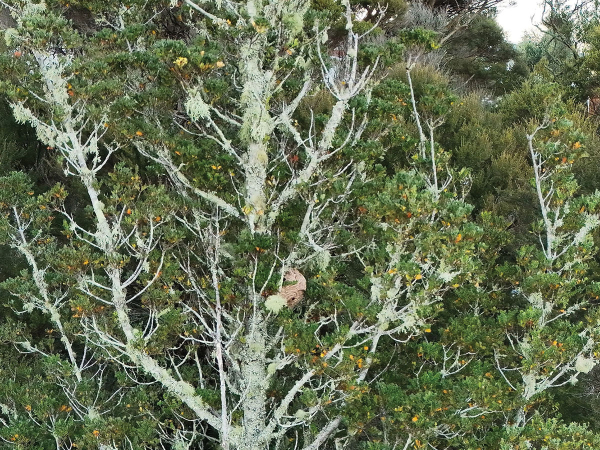 Drones may be used to tackle wasp and hornet nests high up in trees.
Will drones be the answer to tackling the problem of wasp and hornet nests high up in trees and other inaccessible places?
That’s the challenge that scientists at the Bioeconomy Science Institute have taken on to see if existing drones or a special one could make nest removal safer, faster and easier in areas which are high risk for humans to deal with the problem.
Drones equipped with thermal imaging equipment are already being used to pin-point concealed nests, but this new research is designed to see if drones can be used to destroy the nests.
Dr Justin Nairn, who is leading the project, says the research aims to add a new tool to New Zealand’s biosecurity toolkit. He says the team is currently assessing whether commercially available drones can be adapted for the task, or if a custom, purpose-built system is required.
“Removing hornet and wasp nests from heights or challenging terrain poses a significant risk to pest control contractors. A remotely operated system would allow them to treat nests from a safe distance, with their feet firmly on the ground. One innovative approach being explored involves equipping a drone with a specialised lance to pierce a nest and inject insecticide directly inside,” he says.
Nairn says this mechanism would replicate current manual eradication methods without requiring contractors to put themselves in harm’s way by working at heights and around the dangerous nests.
He says the research builds on the widespread use of drones for pest management in NZ. It will consider systems trialled overseas, such as drones fitted with precision sprays and flame throwers, but Nairn says NZ requires a highly tailored approach.
“This project is focused on finding the right solution for our unique environment – one that is highly effective, practical and meets New Zealand’s safety, environmental, biosecurity and aviation requirements,” he says.
Nairn says his team expects to identify its preferred drone system within a year, although he says the project could be accelerated if the technology is urgently needed to support the current hornet response.
Bovine Viral Diarrhoea (BVD) is sometimes viewed as a dairy industry issue, but the reality is that the disease can have serious consequences for beef breeding herds as well.

Election years are always a concerning time for farmers, according to DairyNZ chair Tracy Brown.
Testing confirms H5 bird flu in a single northern giant petrel, found dead on a remote Cape Palliser beach in the Wairarapa, says Dr Mary van Andel, the Ministry for Primary Industries' (MPI) Chief Veterinary Officer.
Bovine Viral Diarrhoea (BVD) is sometimes viewed as a dairy industry issue, but the reality is that the disease can have serious consequences for beef breeding herds as well.
Four years since it was first detected in New Zealand, researchers and growers now know much more about management of maize pest fall armyworm (FAW).

Will drones be the answer to tackling the problem of wasp and hornet nests high up in trees and other inaccessible places?

Canterbury milk processor Synlait has come through tough times and is now ready to scale up from a stable base, says its newly confirmed CEO Leon Fung.
NZPork says a ham made in New Zealand is not necessarily made from New Zealand pork.
Rural Contractors NZ says proposed changes to land transport rules for agricultural vehicles are a welcome response by the Government to out-of-date regulations which have seen members hit with huge fines.
With New Zealand’s greenhouse gas emissions in the spotlight, Auckland scientist Nathan Balasingham says there’s a better way to tackle the problem than shrinking cow numbers or fertiliser usage.
Massey University vice chancellor Pierre Venter says his institute is moving from a period of austerity into a growth phase, based on their new strategy.


OPINION: The same mainstream media muppets that brought you Jacindamania in 2017 have been flat out pimping for the Opportunities…
OPINION: Your old mate reckons the atrocious way farmers in the UK are treated by their lords and masters in…




