NZPork Names Mark Hooper Chair, Paul Bucknell Retires
Mark Hooper has been appointed the new chair of NZPork, the industry organisation representing New Zealand pig farmers.




 increase font size
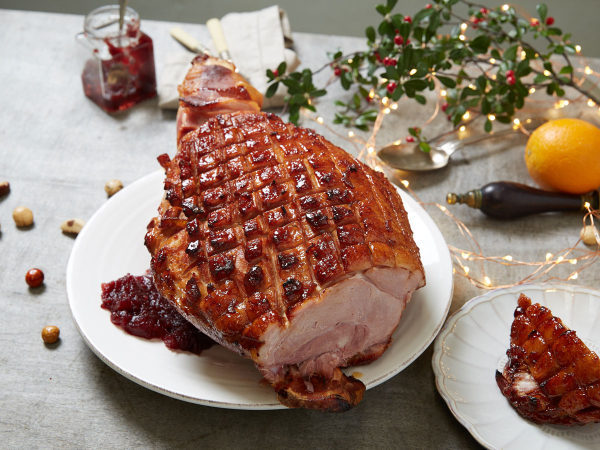
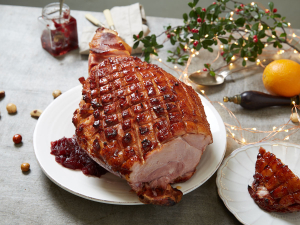
NZPork says a ham made in New Zealand is not necessarily made from New Zealand pork.
The organisation is encouraging shoppers who want a New Zealand ham this Christmas to order early and read the label, because a ham made here, or sold under a familiar Kiwi brand, may not be made from New Zealand pork.
“A New Zealand ham is a delicious way to celebrate Christmas and support our pig farmers,” says NZPork chair Mark Hooper.
“If that’s what you want on your table, now is a good time to ask your butcher or supermarket and place your order.”
Hooper says around 60% of the pork eaten in New Zealand is imported.
Almost all fresh pork in supermarkets is from New Zealand, he says, but imported pork is widely used in bacon and ham.
Ordering early gives shoppers time to find a ham made from pork born and raised in New Zealand.
The key, Hooper says, is to check where the pig was raised, not just where the ham was made. Country-of-origin labelling has applied to fresh and thawed bacon and ham since 2022, and to frozen products since 2023.
The origin statement must be clear and legible, but it doesn’t have to be on the front of the pack. A ham can say “Made in New Zealand” on the front, with a list of possible source countries in small print on the back.
NZPork suggests these checks:
NZPork says published product information for two of New Zealand’s biggest brands shows why individual products should be checked.
It says Hellers uses “NZ’s Butcher” branding, but its Sliced Ham off the Bone page lists pork raised in any one or more of Canada, Denmark, Germany, Spain and the USA. Hellers also offers a separate NZ Free Farmed ham range.
It says Beehive promotes “NZ’s most delicious” meats, but its Champagne Ham page lists pigs raised in one or more of 14 countries, not including New Zealand.
NZPork research shows 88& of New Zealanders believe “Made in NZ” should mean the animal was born and raised here.
Hooper says the Government has acknowledged NZPork’s concerns that some branding may mislead shoppers but has ruled out changing the law.
He says Parliament’s Regulations Review Committee has recommended the Government consider changing the rules to avoid confusing labelling.
“Country-of-origin labelling for pork products, including bacon and ham, must be clear, accurate, prominent and enforceable, so shoppers can easily tell where their pork comes from,” he says. “We want the incoming Government to tackle this issue head on.”
Mark Hooper has been appointed the new chair of NZPork, the industry organisation representing New Zealand pig farmers.
Mobile phone coverage and reliability are deteriorating in rural areas, and farming families are bearing the cost, according to a Federated Farmers survey.
Federated Farmers says new legislation replacing the Resource Management Act will cut red tape, unlock investment and help grow New Zealand's export-led economy, after the Planning Bill and Natural Environment Bill passed their third reading in Parliament yesterday.
Rural leader Mark Hooper has been appointed as an independent director to the NZPork board, bringing extensive farming, governance and advocacy experience to the role.
As the cost-of-living crisis continues to put pressure on household grocery budgets, new figures show pork remains one of the most affordable fresh meat options for New Zealand families.

Canterbury milk processor Synlait has come through tough times and is now ready to scale up from a stable base, says its newly confirmed CEO Leon Fung.
NZPork says a ham made in New Zealand is not necessarily made from New Zealand pork.
Rural Contractors NZ says proposed changes to land transport rules for agricultural vehicles are a welcome response by the Government to out-of-date regulations which have seen members hit with huge fines.
With New Zealand’s greenhouse gas emissions in the spotlight, Auckland scientist Nathan Balasingham says there’s a better way to tackle the problem than shrinking cow numbers or fertiliser usage.
Massey University vice chancellor Pierre Venter says his institute is moving from a period of austerity into a growth phase, based on their new strategy.
With the red meat sector going through a boom time with high prices, the time is right for the industry to step up its investment into developing new food products.

OPINION: The same mainstream media muppets that brought you Jacindamania in 2017 have been flat out pimping for the Opportunities…
OPINION: Your old mate reckons the atrocious way farmers in the UK are treated by their lords and masters in…




