OPINION: For many Kiwi farmers, the nutrients our farmers need simply arrive when they are needed, get applied when conditions suit, and are largely viewed as one part of the rhythm of the farming year.
But behind every application, sits one of the most complex and longest supply chains in New Zealand agriculture.
It stretches across global mines, manufacturing plants, rail and trucking networks, ports, and shipping lanes. Once product arrives in New Zealand, raw ingredients are sent to local manufacturing sites, while finished product is housed in storage depots, then sent on to trucks, aircraft and spreading teams for application on farm.
When that chain runs smoothly, it's easy to forget how much co-ordination is involved. When unforeseen events interrupt it, the importance of planning ahead becomes very evident.
Factors That Influence Supply
New Zealand's distance from most of the world's major nutrient sources means out fertiliser market is closely linked to international supply and shipping. Products such as phosphate rock, potash, sulphur and nitrogen are heavily influenced by events offshore.
Exchange rates, freight availability, energy prices and geopolitics all impact landed cost and timing. That means what happens in the Middle East, Africa, China, India, USA, Europe or even Australia can and do flow through to us here. That global connection has been front of mind in recent months, creating uncertainty for shipping routes and energy markets, particularly arolund strategic traded corridors such as the Strait of Hormuz and Red Sea routes. Around 35% of the world's urea supply is shipped through the at-risk Persian Gulf fertiliser ports, alongside 47% of the world's sulphur, and 26% of the world's DAP.
What Happens When One Chain In The Link Is Impacted
While most product for autumn was already secured or in country, the wider risk centres around price volatility and potential delays if tensions continue. The reality is fertiliser does not move like a courier parcel. It's bought in shiploads, often months in advance, then discharged through ports, stored, blended, manufactured or distributed before it reaches the farm. If one link slows down, it impacts the whole system. A delayed vessel, congestion at a port, a weather interruption, or a sudden surge in demand can all tighten schedules quickly during peak seasons.
The Big Global Players That Influence Supply
Aside from disrupted shipping routes, other factors that influence nutrient supply are big players like India and China. India's role is particularly important right now because it's one of the world's largest urea importers. When India tenders for large volumes, global demand shifts quickly.
China also remains a major swing factor, with export controls on nutrients such as DAP and MAP. When these big players change behaviour, it can be felt by the whole market.
Why Relationships Matter
The value of established and cultivated supplier relationships, in some cases over many decades, cannot be overestimated. When global supply is tight, being able to call upon those relationships is invaluable and can be the difference in being able to secure fit-for-purpose product in the window required.
The Importance of Planning Ahead
That's why planning ahead matters so much. Given we run on seasonal windows, if we miss the right opportunity to replenish phosphate, sulphur or potassium, recovery can take time. Delaying nitrogen applications to wait for a market dip that never comes, and pasture growth potential may be lost.
Nutrient decisions are most effective when they align with farm goals, soil test results and seasonal conditions. For farmers, the practical advice here is to start with your nutrient plan. Know what products you’re likely to need, when you need them, and what application windows matter most for your system. Engage early with your nutrient supplier and specialist. Securing supply early, and understanding likely requirements help reduce pressure on both the farm business and the wider supply chain.
No one can remove global volatility entirely. Weather events, trade tensions and geopolitical shocks are increasingly part of the modern agriculture landscape. But good planning, using scale, having local infrastructure among other levers, can reduce the impact of global shocks on price and availability.
I’m a firm believer that Kiwi farmers are among the best in the world at managing this uncertainty, and the fertiliser supply chain works best when we apply that same mindset to nutrients: plan early, stay informed, so we’re able to make each application count where and when it’s needed.
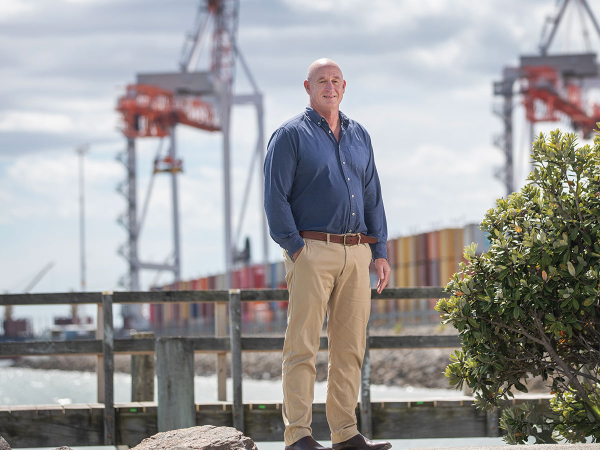
Shane Crean is head of procurement, Ballance Agri-Nutrients