
NZ Beef’s US Opportunity and the Dairy Beef Initiative
Good medium to long term prospects for NZ beef, especially in the US, has heighted the focus on various initiatives to capitalise on this situation.




 increase font size
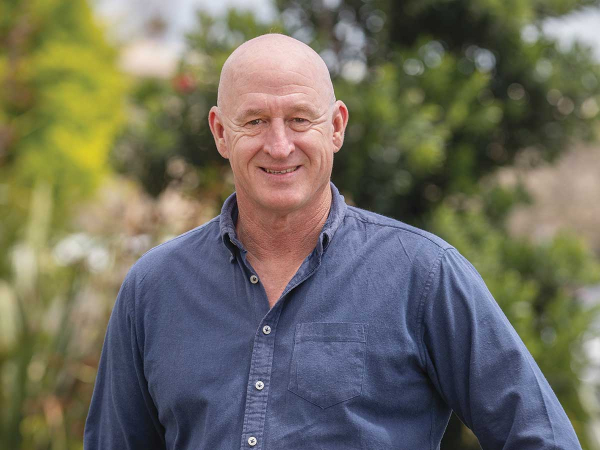 Shane Crean, Ballance, says forecasts across the range of commodities in the current geopolitical climate are about as reliable as the weather.
Ballance Agri-Nutrients has released its latest fertiliser outlook, detailing some of the current global trends influencing fertiliser supply. Ballance head of procurement Shane Crean takes part in a Q&A in the report:
A: Looking back to our last outlook in January, no one could have predicted the escalation we’ve seen following the attacks on Iran and the subsequent conflict in and around the Middle East. With around 35% of the world’s urea moving through the Strait of Hormuz, disruption in that region has placed significant pressure on urea availability and trade flows, with conditions we haven’t seen since 2022.
Sulphur has faced even greater pressure, not surprising given more than 45% of the world’s sulphur is supplied from this region too. While the conflict is the key driver behind tight nutrient markets across N, P and S, the traditional influences are still at play as well.
Domestic food security policies in key fertiliser-producing nations such as China, Russia and Egypt continue to influence the market, as do regional demand requirements from large consumers such as Brazil and India.
A: Forecasts across the range of commodities in the current geopolitical climate are about as reliable as the weather. They’re changing almost daily and driven largely by developments between the US and Iran. At the time of writing in late July, urea is beginning to firm again after easing through June. If the Middle East conflict continues, we can expect that tightening trend to continue.
One factor helping to slow that current momentum is China, which relaxed its urea export controls in June. We’ve started to see more product coming out of that region recently, at levels closer to pre-war conditions.
Sulphur pricing, however, continues to hold firm. With an export ban on most industrial grades of sulphur from Russia, restrictions on sulphuric acid from China, constrained supply in the Persian Gulf, and increasing competition for sulphuric acid from nickel producers, fertiliser products with sulphur inputs such as DAP, SSP, TSP and sulphur bentonite continue to face challenging market conditions.
DAP continues to be completely banned from export in China, which accounts for between 35% and 40% of the world’s production. Saudi Arabia accounts for a further 10% and, while suppliers there have redirected shipping out of the Red Sea instead of their usual Persian Gulf ports, volumes have been far smaller.
We’re also now seeing new tension in the Bab el-Mandeb Strait, another potential pain point in the Middle East, where both Iran and Houthi rebels realise the significance of causing disruption in this important trade route. Potash remains one of the few commodities where the current disruption has had little impact, largely because most of the world’s deposits are in Canada, China, Russia and Belarus.
We want to reassure farmers we have the nutrient supply they will need as we head into spring, noting that the nutrient may sometimes be in a different form from what they have historically purchased.
While we’re not expecting supply constraints, the current market environment means working closely with your nutrient specialist to develop a fertiliser management plan specific to your needs remains an important way to support seasonal decision-making.
Ballance representatives recently attended the International Fertiliser Association conference.
The recent 2026 International Fertilizer Association (IFA) conference was an important opportunity for global fertiliser participants to meet in one place, and this year’s conference theme centred around securing the fertiliser lifeline - supply chains, energy, and food security in an era of conflict. Unsurprisingly, the conflict in the Middle East was at the centre of conversation.
Another key topic of the conference was that the greatest risks confronting the global economy right now may not even be conflict related. Rather they come from weatherrelated impacts caused by the slowing of the jet stream across the Atlantic and the looming El Niño formation in the Pacific.
These are things which will exacerbate water and climate stress, food cost and price stress in the US, Europe and other economies.
Uncontrollable natural risks could potentially act to amplify geopolitical risks in a ‘double whammy’.
Those natural trends come after several years of trade volatility, conflict volatility, price increases related to the closure of Strait of Hormuz, disruption of the Red Sea, and restriction of exports from Ukraine among other events.
These trips serve as an opportunity to also visit incumbent or potential new suppliers, and act as an important part of robust due diligence. On this occasion, we took the opportunity to connect with our suppliers from Morocco, Spain, and Egypt as part of our ongoing due diligence, and build those personal connections which become invaluable in times of supply disruption.
Disruption really is the new normal. In a business largely reliant on sourcing raw materials or finished products internationally to support our local manufacturing capability, we’re certainly exposed to a wide range of more frequently occurring disruptions.
Good medium to long term prospects for NZ beef, especially in the US, has heighted the focus on various initiatives to capitalise on this situation.

Farmer-owned fertiliser company, Ballance Agri Nutrients is welcoming National’s plan to negotiate security agreements with key supplier countries to protect New Zealand-bound products from export restrictions and greater supply chain certainty.
Carrfields has announced the appointment of Stu Hall to the newly created role of chief operating officer, Carrfields Ltd, reflecting the continued growth of their agribusinesses and the need to ensure the company has the leadership capacity and support in place as it pursues the emerging opportunities ahead.
State farmer Pāmu is bracing for a $30 million hit from soaring farm input costs this financial year.
Pāmu has released its FY26 Integrated Annual Report, reporting a Net Operating Profit of $113 million, more than double the $49 million recorded in FY25.


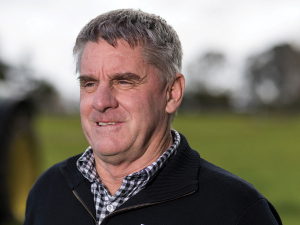
Federated Farmers has welcomed new rural policies released by ACT, saying they align closely with its own election priorities.
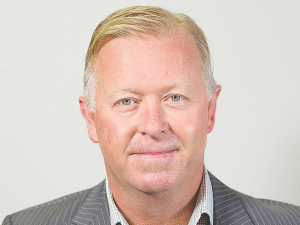
Rural Contractors NZ says proposed changes to land transport rules for agricultural vehicles are a welcome response by the Government to out of date regulations which have seen members hit with huge fines.
Alliance is calling for final applications for its 2027 Graduate Programme, with applications closing on Sunday 25 October.
Decades piloting planes has ensured vet and farmer David Hayes is focused on safety. So, after a serious accident while welding on farm, he is sharing his experience so others can learn from it.
Canterbury milk processor, Synlait Milk has confirmed Leon Fung as its chief executive officer.
OPINION: Making it easier to collect rainwater and use it to grow crops and livestock is a no brainer.



OPINION: It seems Canterbury processor Synlait is still in the doldrums.
OPINION: Get offside with New Zealand First leader Winston Peters at your own peril.




