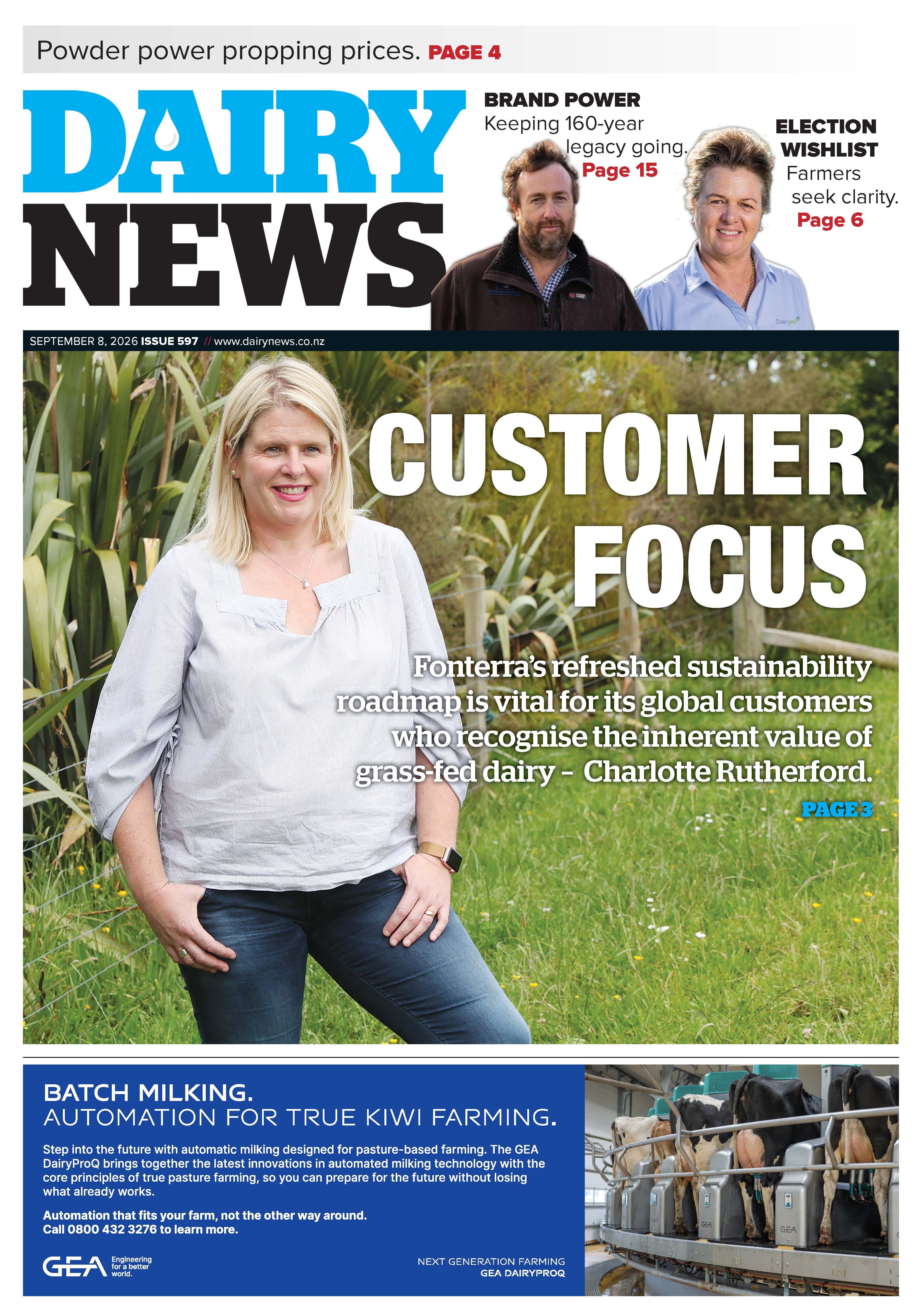
Ah Tatua, You've Done It Again!
Waikato milk processor Tatua has again declared a record milk payout to farmer shareholders, leaving other processors in the dust.




 increase font size
OPINION: After years of financial turmoil, Canterbury milk processor Synlait is now back in business.
This was confirmed when the listed company proudly announced that a significant majority of the cease notices issued to the company by farmer suppliers are now withdrawn.
The company's 200 farmer suppliers threatened to vote with their feet as Synlait faced financial doldrums. The company says farmer support provides them with valuable certainty and reflects growing confidence in the company on the back of return to profitability.
Synlait's turnaround is reflecting on its share price: after dropping to 45c/share. In January this year, it jumped to over $1 on March 20 before slipping back and settling around 75c last week.
Waikato milk processor Tatua has again declared a record milk payout to farmer shareholders, leaving other processors in the dust.

Synlait has swung to second-half profit as operations stabilise, but the dairy processor still posted a $75.4m annual loss.
OPINION: It seems Canterbury processor Synlait is still in the doldrums.
OPINION: Being a stock manager of a Government MP's farm can come in handy.
OPINION: Groundswell's opinion of the incumbent farm industry representatives isn't high.


South of the central Hawke’s Bay town of Waipukurau is Taniwha Station – a highly successful 550ha bull beef farming operation.
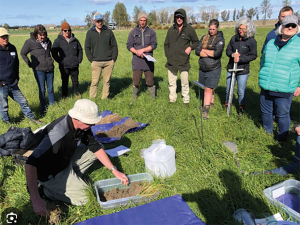
Beef + Lamb NZ funded research has shown that some simple changes to pasture management could help farmers make better use of rainfall and build resilience before dry conditions hit.
OPINION: There could hardly be a more appropriate theme for a conference than the one chosen by the red meat sector - Navigating Volatility.
When Northland leather worker Vernon Suckling started making horse saddles 50 years ago, quad bikes and side-by-side vehicles were unheard of.
Alliance Group has confirmed that eligible farmer-shareholders who supply and continue to back the business will receive up to $20 million later this year, following the strategic investment partnership with Dawn Meats.
With a general election under five weeks away, Rural News is asking major political parties about their policies and positions on key issues facing the primary sector. We will run their responses to each question over the next four weeks. The ACT Party and the Greens didn't respond in time.
OPINION: It seems Canterbury processor Synlait is still in the doldrums.
OPINION: Get offside with New Zealand First leader Winston Peters at your own peril.