Milk Powder Prices Prop Up Farmgate Milk Price
Milk powder prices are keeping farmgate prices up, helping processors offset the dip in milk fat prices.




 increase font size
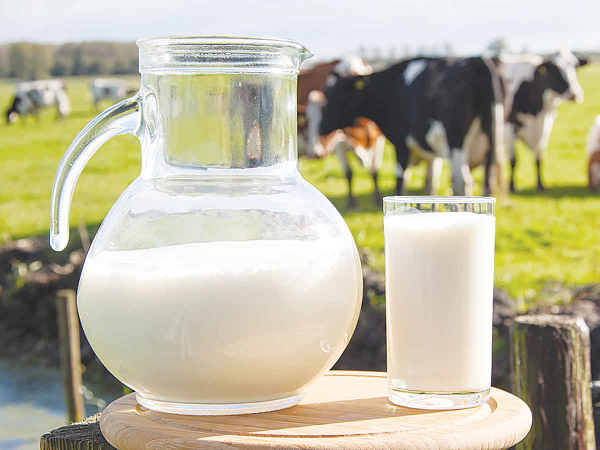 The GDT price index recorded ninth consecutive decline.
The final Global Dairy Trade (GDT) auction has delivered bad news for dairy farmers.
The GDT price index recorded its ninth consecutive decline, confirming a glut in global milk supply.
The overnight auction saw the GDT price index falling 4.4% compared to the previous event. Whole milk powder price, which largely determines the farmgate milk price paid to farmers, fell 5.7% to US$3161/metric tonne, at its lowest point since August 2024. Just over six months ago, WMP price was hovering around US$4374/MT.
NZX head of dairy Cristina Alvarado says last night’s auction delivered a more bearish outcome than expected.
“This ninth consecutive decline reflects persistent supply-side pressure in global dairy markets, as milk availability continues to run high across several key producing regions,” she says.
“Strong milk production in the United States and Europe, alongside continued output from Argentina, has maintained ample exportable supply.
“In addition, China reported a second consecutive month of year-on-year growth in milk production in its latest data release, with October milk production up 2.1%, further reinforcing the perception of plentiful global supply.”
She adds that the presence of abundant product availability limited buyers’ urgency, particularly amid ongoing competition from alternative origins.
Milkfat markets also came under pressure. AMF prices fell -5.2% to an average of US$5,602/MT. Butter prices declined by -2.5%, a smaller drop than anticipated, with demand proving comparatively more resilient.
Cheddar prices were unchanged, while Mozzarella and Lactose recorded gains, reflecting more product-specific dynamics and smaller volumes on offer. Regionally, North Asia accounted for 58% of total purchases, up from 50% at the previous event, helping to prevent a deeper overall decline. However, reduced participation from the Middle East, which lowered its share to 11% from 19% previously, reinforced the softer tone of the auction.
Alvarado says overall, last night’s GDT auction highlighted that ongoing strength in global milk production continues to weigh on prices, with buyers showing limited urgency in an environment of sustained supply abundance.
“Seasonal factors approaching year-end also appeared to be reflected in softer demand at the final GDT event of December,” she says.
Milk powder prices are keeping farmgate prices up, helping processors offset the dip in milk fat prices.
OPINION: With 10,500 dairy farms, New Zealand continues to punch above its weight around the world.
A milk glut around the world shows no sign of easing, putting downward pressure on farmgate milk prices for the next few months.
Fonterra has reduced its forecast 2026/27 Farmgate Milk Price.
New Zealand dairy farmers are set to be the first in the world to receive access to a new digital physical milk pricing tool that enables them to fix the price for their physical milk.



Zespri has welcomed the entry into force of the India-New Zealand Free Trade Agreement today, calling it a significant milestone that will support long-term growth in one of the world’s largest and fastest-growing consumer markets.
Southland's wet winter and spring will potentially cost Wyndham sheep and beef farmer Ben Dooley between $100,000 and $120,000 in lamb losses.
Beef + Lamb New Zealand says the National Party’s agriculture plan provides a strong basis for lifting productivity, supporting rural communities and recognising the sheep and beef sector’s environmental track record.
Wools of New Zealand chief executive John McWhirter says its new direct-to-consumer wool carpet service, Laneve, is the next step in the development of the business.
The New Zealand-India Free Trade Agreement entered into force today, improving market access for New Zealand businesses across a wide range of sectors.
Vetekina Pau'u is the first Tongan to win the William Gearish Memorial prize and sadly she will also be the last recipient.




OPINION: The same mainstream media muppets that brought you Jacindamania in 2017 have been flat out pimping for the Opportunities…
OPINION: Your old mate reckons the atrocious way farmers in the UK are treated by their lords and masters in…




