
Federated Farmers Praises Labour's Emissions Tax Backdown
For the first time in a quarter of a century, Federated Farmers has something positive to say about the Labour Party’s climate change policy leading into a general election.




 increase font size

OPINION: Whatever the Labour Government decides on climate change, it never pleases the mob at Greenpeace.
Last month, when the Government announcement that it will spen $339 million researching technological advancements, including methane inhibitors for the ag sector, Greenpece was furious.
It's unhappy that the Government, rather than cut herd sizes, is spending hundreds of millions of dollars in the hope of reducing emissions in the sector.
So why has the Ardern Government done this?
Because New Zealand's farming sector continues to perform for the nation's economy while maintaining our world-leading, efficient dairy carbon footprint.
For the first time in a quarter of a century, Federated Farmers has something positive to say about the Labour Party’s climate change policy leading into a general election.
OPINION: Groundswell's opinion of the incumbent farm industry representatives isn't high.
Climate, nature and animal wellbeing make up Fonterra's refreshed sustainability roadmap released last week.
OPINION: After hogging the media limelight for telling a NZ Chinese MP to "go back home", Winston Peters has decided to focus on a domestic issue - oil and gas drilling.


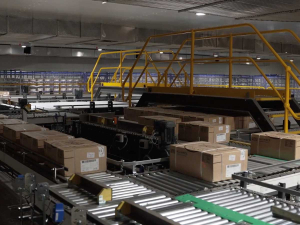
Alliance is calling for final applications for its 2027 Graduate Programme, with applications closing on Sunday 25 October.
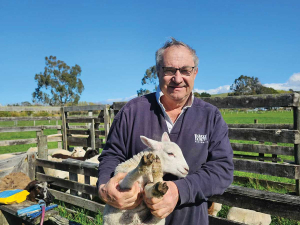
Decades piloting planes has ensured vet and farmer David Hayes is focused on safety. So, after a serious accident while welding on farm, he is sharing his experience so others can learn from it.
Canterbury milk processor, Synlait Milk has confirmed Leon Fung as its chief executive officer.
OPINION: Making it easier to collect rainwater and use it to grow crops and livestock is a no brainer.
As part of its Election 2026 coverage, Rural News asked political parties how they would help pull the arable sector out of the doldrums. Here's what they said:
Farmers are being encouraged to rethink how they manage waste on farm with the launch of ruralwastesorted.co.nz, a new website bringing together practical tips, real farmer experiences and resources.


OPINION: It seems Canterbury processor Synlait is still in the doldrums.
OPINION: Get offside with New Zealand First leader Winston Peters at your own peril.