Boosting Crop Production by Spreading Effluent
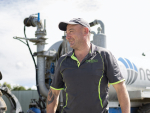
Tararua district farmer Jamie Harris milks around 400 cows using a split calving system on his farm, Crossdale Dairies.




 increase font size
 Hi-Tech Enviro Solutions was fully integrated with Waikato Milking Systems on June 1.
Waikato Milking Systems (WMS) will use Fieldays to promote its expansion beyond milking systems into effluent and environmental products.
The Hamilton company in 2015 bought the effluent management specialist Hi-Tech Enviro Solutions, founded in Morrinsville in 1992.
“The acquisition aligned with WMS’s expansion of its product offering,” said its chief executive Campbell Parker.
“Now is the right time to fully integrate effluent and environmental into the WMS core product offering rather than keeping it as a separate brand.
“Since we acquired Hi-Tech Enviro Solutions we’ve been working to improve the quality of product and aligning the culture of both businesses to reflect the standards WMS is known for.
“We’ve also needed to work with our dealer network to ensure seamless delivery of our entire product range.
“Farmers will now be able to discuss their effluent needs with any member of the WMS team.
“When a farmer needs an effluent system review one of our dairy effluent specialists will advise and design a system for compliance.
“WMS is a trusted brand in dairying world-wide, and adding effluent and environmental will give farmers confidence that they are getting the best advice and systems to future-proof their farm dairies.”
The WMS Fieldays site has been extended and will display all the company’s products -- milking parlors, milking automation, dairy management, milk cooling and effluent and environmental.
Tararua district farmer Jamie Harris milks around 400 cows using a split calving system on his farm, Crossdale Dairies.
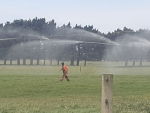
Water management is an integral component of sustainable farming practices, according to Watermetrics.
Two farmers and two farming companies were recently convicted and fined a total of $108,000 for environmental offending.
A Taupiri farming company has been convicted and fined $52,500 in the Hamilton District Court for the unlawful discharge of dairy effluent into the environment.
Founded in Germany as recently as 1977, today, the Fliegl Group employs more than 1100 workers, offering an expansive range of transport solutions, from their base in Bavaria.


Farmer-owned fertiliser company, Ballance Agri Nutrients is welcoming National’s plan to negotiate security agreements with key supplier countries to protect New Zealand-bound products from export restrictions and greater supply chain certainty.

Carrfields has announced the appointment of Stu Hall to the newly created role of chief operating officer, Carrfields Ltd, reflecting the continued growth of their agribusinesses and the need to ensure the company has the leadership capacity and support in place as it pursues the emerging opportunities ahead.
New Zealand's role is not to compete with Indian growers, according to NZ Apples and Pears.
The potato industry is celebrating the success of two rising stars - James Blair, the 2026 Young Grower of the Year and runner-up and innovation award winner, Amber Davy.
Twenty-eight emerging leaders from across the horticulture sector spent two days last month learning valuable skills and connecting with industry experts.
There are five entrants in this year’s Young Horticulturist of the Year, competing in a series of technical, practical, business and leadership challenges.




OPINION: It seems Canterbury processor Synlait is still in the doldrums.
OPINION: Get offside with New Zealand First leader Winston Peters at your own peril.




