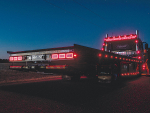
Make your trailer visible at night
With the recent changes to daylight saving and nights drawing in, there is still plenty of traffic on rural roads after dusk.




 increase font size

Originally available with amber lenses only, Narva’s ‘Geomax’ Heavy Duty LED Strobe Beacon light range has been upgraded with the addition of amber/clear, blue and green options.
This means they can now be used for agricultural, forestry, emergency service work and roadside assistance applications.
The lamps have Class 1 approved rotating patterns, providing high levels of brightness as required by SAE standards, along with two rotating patterns. They also feature four flash patterns options of quint flash (the heart stopping sequence you see when the cop pulls you over) ultra-flash, single flash and steady on. An additional benefit: multiple units can be synchronised to maintain a crisp and uniform flash pattern on any vehicle they are fitted to.
The Geomax beacons also feature ambient light sensors that automatically adjust for day or night operation, along with manual override in the case of night mode, reducing light output to 20% of maximum intensity.
Manufactured with a tough die-cast aluminium base and virtually unbreakable polycarbonate lenses, the units also have IP67 and IP69K ratings for water and dust ingress, which allow the lights to be cleaned using heated pressure washers (up to 80°C).
They also feature Class 3 CISPR 25 ratings for electrical interference and are covered by a substantial warranty that includes five years on the LED’s.
With the recent changes to daylight saving and nights drawing in, there is still plenty of traffic on rural roads after dusk.
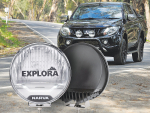
With shortening days meaning the need for good lighting is even more important out on the farm, it might be time to upgrade your illumination.
High quality, reliable lighting is essential for anyone involved in agriculture or the great outdoors.
Narva's new Aeromax LED Rotating Beacons are said to offer big performance and durability.
As small as a pen, so easily popped into a shirt pocket, the new Narva LED Pen Light packs a powerful lighting punch.

OPINION: As election day looms, rural NZ seems to have pressed the pause button – held somewhat in limbo on an orange light.
Will drones be the answer to tackling the problem of wasp and hornet nests high up in trees and other inaccessible places?
Canterbury milk processor Synlait has come through tough times and is now ready to scale up from a stable base, says its newly confirmed CEO Leon Fung.
NZPork says a ham made in New Zealand is not necessarily made from New Zealand pork.
Rural Contractors NZ says proposed changes to land transport rules for agricultural vehicles are a welcome response by the Government to out-of-date regulations which have seen members hit with huge fines.
With New Zealand’s greenhouse gas emissions in the spotlight, Auckland scientist Nathan Balasingham says there’s a better way to tackle the problem than shrinking cow numbers or fertiliser usage.


OPINION: It seems Canterbury processor Synlait is still in the doldrums.
OPINION: Get offside with New Zealand First leader Winston Peters at your own peril.




