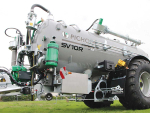
Pichon Adds SV10R and SV14 to SV Slurry Tanker Range
French manufacturer Pichon has expanded its SV slurry tanker range with the launch of two new models.




 increase font size
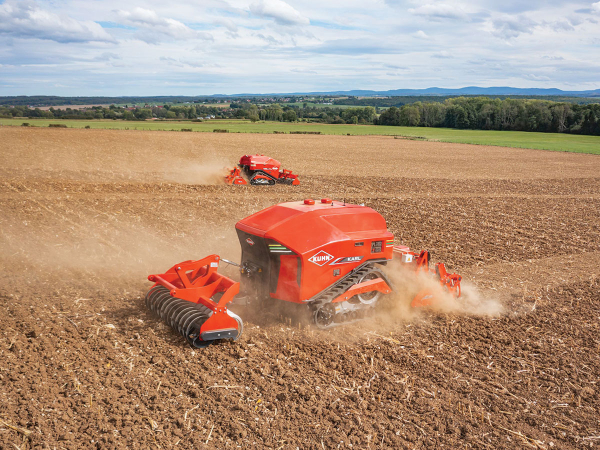 KARL, new robot for crop production.
The KARL Concept: An Autonomous Solution for Crop Production.
French manufacturer Kuhn has released details of a developmental concept offering new technical possibilities and working flexibility for farmers seeking to deal with widespread issues of recruiting, training and retaining staff.
An autonomous tracked vehicle with 175hp, KARL is designed to meet the demands of most farm sizes by offering flexibility in their fleets. KARL carries out work without human intervention but is controlled and monitored by an operator.
Once a paddock has been selected and its boundaries have been identified, the operator creates a work mission, places KARL in the plot, adjusts the work parameters, and starts the mission to run automatically.
Adding a second or even a third KARL vehicle can be carried out during the mission to increase work output, administered from the system’s mobile application.
KARL has the technology to transmit information for proper work performance and adjusts its parameters according to differences in soil and vegetation. Currently, the KARL Concept is being tested with power harrows for autonomous tillage, although further testing with differing types of implements is in the pipeline.
Testing is striving to deliver a successful cultivation operation within an optimal working window, for example, to achieve the right tillage depth, adequate seed application rate, or even regular and fine shredding of any residues.
During operation KARL is able to detect any malfunctions and deploy corrective actions independently.
With soil preservation being a major driver in the development, KARL has limited size and weight. Tracks of different sizes can be installed to limit ground pressure and minimise compaction. Less compaction is said to result in reduced runoff, especially in high rainfall events, improved soil life and improved root development potential.
French manufacturer Pichon has expanded its SV slurry tanker range with the launch of two new models.
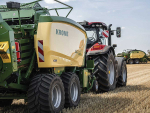
Recently revealed, Krone’s new Series Six, BiG Pack Plus and Pro balers are designed to use standardised components, interfaces, and control concepts, including pick-up, knotter systems and user interfaces.
Consuming around six years and more than 35,000 hours of physical and digital testing, the new sixth-generation Valtra T Series is being described as the most significant new release in the company’s history.
Strautmann has introduced a new Hay Edition auger for its Verti-Mix feed mixer wagons, aimed at operators using rations with larger proportions of hay or other long-fibre materials.
Twin rotor swathers have become the ‘go-to’ for forming swaths to feed hungry harvesters and balers, however, the design layout often means that crop located between the two rotors is not picked up, turned over or incorporated into the swath formed for subsequent harvesting.


National’s pledge to introduce 19 new national standards shows the party is serious about getting Wellington out of farming, Federated Farmers says.
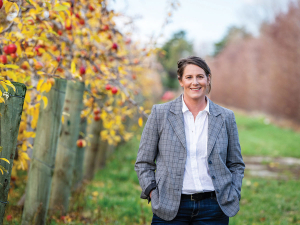
The National Party’s policies to make it easier to grow fresh vegetables, secure reliable water and energy and simplify farm planning are practical changes that will give growers the confidence to invest, according to Horticulture New Zealand (HortNZ).
Fonterra Co-operative Group chief financial officer Andrew Murray has resigned to take up a role outside the dairy giant.
A major move is about to get underway to improve the quality and viability of dairy beef and cattle in NZ.
Veterinarians say changes to the code of welfare for dairy cattle provides a positive foundation for improved cattle welfare across the country.
Today, 15 October, is the International Day of Rural Women, which recognises rural women’s contribution to farming, communities and the environment.


OPINION: It seems Canterbury processor Synlait is still in the doldrums.
OPINION: Get offside with New Zealand First leader Winston Peters at your own peril.




