Paris Agreement: What Are the Costs and Returns to NZ?
OPINION: We are only weeks from the election, and my vote is looking for a home.




 increase font size
 Groundswell leader Bryce Mckenzie with one of the signs he delivered to a farmer in Canterbury last week.
Groundswell is ramping up its 'Quit Paris' campaign with signs going up all over the country.
At least 36 signs have been ordered by farmers and landowners with properties along State Highway One in the South Island.
Signs are also going up on State Highways Two and Three in the North Island.
Groundswell leader Bryce McKenzie says that while National is getting "irritated" by their campaign, Groundswell is getting a sympathetic hearing from the coalition partners, NZ First and ACT.
He believes the Quit Paris campaign will become one of the major issues at the next general election.
"We are talking to some parties about it and I'm pretty sure they will take a stand closer to the general election," he told Rural News.
ACT agriculture spokesman Mark Cameron says the rural communities need to know where their leaders stand on the issue.
"As the pressure mounts on politicians to mark where the Paris Accord sits, especially as dissent grows, where will our leaders fall?"
Cameron notes that political abstention will hurt both sides of this important debate.
"As both sides need an answer founded in science, economic outcomes, and opportunities - devoid of hyperbole and catastrophic overtures.
"I'd suggest, those with political nous should genuinely consider the 'leave' versus stay argument. I would suggest in that moment that both are genuinely costed. This way rural NZ knows exactly where they and the country land," he told Rural News.
McKenzie blasted National for its stance of Paris.
At the Primary Industries Summit in Christchurch last month, Agriculture Minister Todd McClay said that leaving the Paris Agreement would be madness.
He warned that other countries would use that to block our exports and clear our products from their supermarket shelves.
"There would be consequences, whether you believe in climate change or not, because the world does not owe New Zealand a living," says McClay.
McKenzie says he doesn't know what McClay is basing his statements on.
"They have done no costings: the Government claims our products will be removed from supermarket shelves," he says.
"I thought the world wants lower emission food and the food we produce has the lowest emissions profile in the world. If they remove our food products, where will the new products come from?"
OPINION: We are only weeks from the election, and my vote is looking for a home.
Politicians calling for New Zealand to withdraw from the Paris Agreement on climate risk damaging two of our gold-plated free trade deals.
Centre right parties are backing policy positions pushed by three farmer lobby groups ahead of the general election.
Prime Minister Christopher Luxon says withdrawing from the Paris Agreement on climate change would be “a really dumb move”.
A survey of 2000 farmers shows 94% of respondents believe that remaining in the Paris Agreement for climate change is not in the country's best interest.


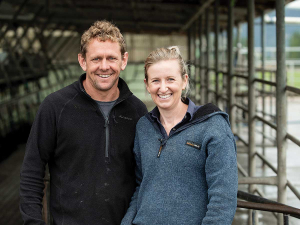
In farming there are external factors that can influence behaviour of a whole herd, such as a bad weather event, triggering false positive heat detections or health attentions.
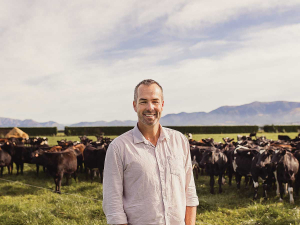
For Canterbury dairy farmer Cameron Henderson, supporting Meet the Need comes down to a simple question: how can the success of New Zealand farming benefit more than just those within the industry?
Fonterra board members are in line for a pay rise of around 3%.
Dairy processors are ready to further boost New Zealand’s export earnings but want the incoming government to match their ambition with good policy.
Massey University is best placed to solve the “problems” facing the dairy industry, says vice chancellor, Pierre Venter.
Synlait's longest serving employee – a man who joined the Canterbury-based milk processor even before it began processing milk – is now its newest executive.


OPINION: The same mainstream media muppets that brought you Jacindamania in 2017 have been flat out pimping for the Opportunities…
OPINION: Your old mate reckons the atrocious way farmers in the UK are treated by their lords and masters in…