Since Covid-19 arrived on the scene in early 2020, farmers and contractors have become accustomed to demand often exceeding supply – due to shutdowns and labour and material shortages extending delivery times.
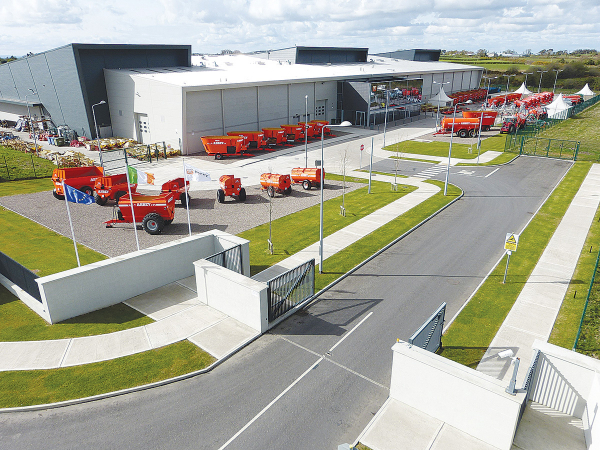
Well known effluent handling specialists Abbey Machinery, of Nenagh, Co. Tipperary, is to up its game with a major investment in its factory to create an extra 10,000ft² of floor space.
The expansion, alongside the introduction of new metal-cutting machines to the production process, will increase throughput by 20% while at the same time reduce the operation’s dependency on grid electricity.
Developed on a 12ha greenfield site in 2016, with continuously updated manufacturing technology since then, investments include an energy-efficient fibre laser machine, which replaced a carbon dioxide laser unit, and additional plasmacutting upgrades to increase product quality and increase capacity.
Ongoing sustainability initiatives have significantly reduced the company’s carbon footprint and increased energy efficiencies, with the latest introduction being a 250kW solar system to reduce dependency on the grid. This means that currently over 60% of the electricity used at Abbey Machinery is sourced from renewable energy, with a commitment to sourcing 100% green energy in the longterm.
Further to the energy savings, the company also consumes less water than the average household as a result of the rainwaterharvesting system it has installed.
 |
|---|
|
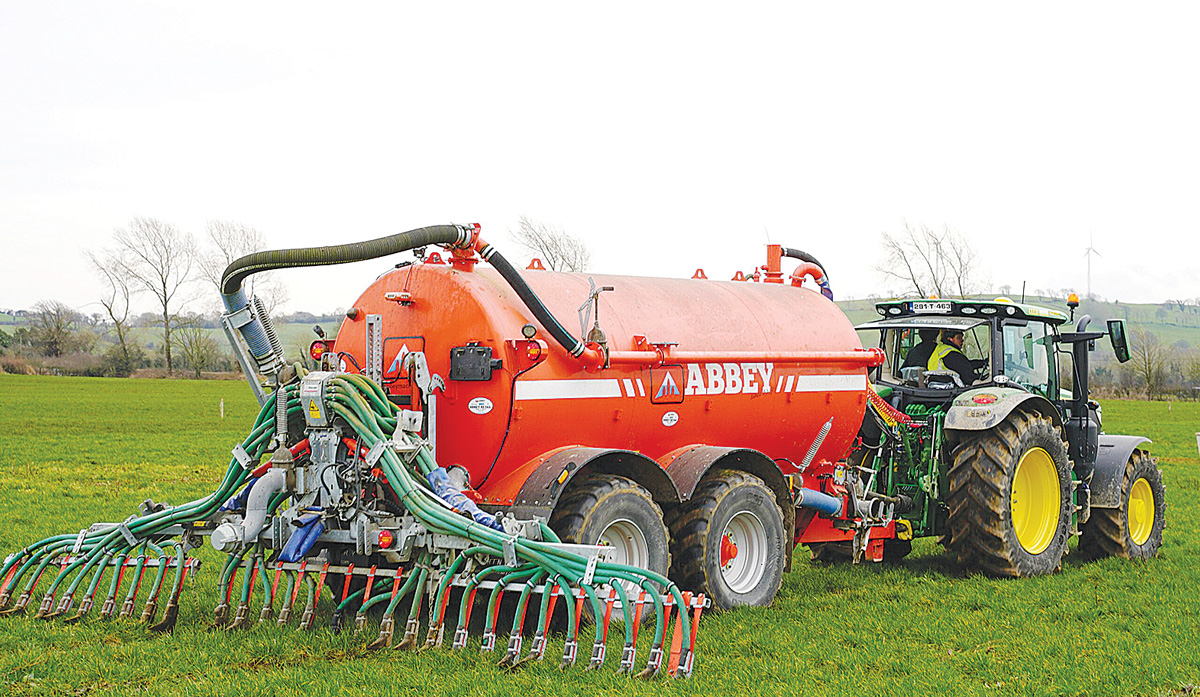
Abbey says ongoing sustainability initiatives have significantly reduced the company's carbon footprint and increased energy efficiencies.
|
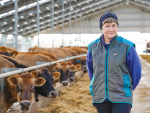
Clodagh Cavanagh, managing director of the company, is committed to the company philosophy of continuing to manufacture high-quality agricultural machinery, while reducing its carbon footprint and increasing sustainability.
“Our new factory expansion and investments in sustainability initiatives demonstrate our commitment to continually improving our manufacturing process and delivering high-quality products to our customers,” she said.
“With the expansion and introduction of new robotic welding machines, Abbey customers can be confident that the manufacturing process is consistent with the highest weld quality.”