Off-road specialists Polaris has launched a new speedcontrol and geofencing kit, aimed at keeping operators and workplaces safer by allowing users to set maximum speed limits and limit speeds in geofenced areas.
The maximum speed limit can be controlled using a passcode-protected, new dashboard, or remotely via the Polaris Ride Command app, that is also required to set geofence parameters.
After downloading the app to a smart device from the App Store or Google Play, users can create an account, then set maximum speed limits and add geofence parameters to be ‘pushed’ to their vehicle.
The ‘virtual’ geofence allows those with access to specify vehicle speeds for inside and outside a defined area.
Both speeds can be set individually from 9.7km/h to 88.9km/h in approximately 3.2km/h increments. A geofence will not stop the vehicle but will slow the unit to the pre-programmed speed limit, as determined by management. Users can store up to three geofences in the Ride Command app, but only one geofence can be enabled at a time. The kits are available for 2020 and 2021 Ranger, Ranger Premium, Ranger EPS 1000 and Ranger Crew models at $575 from certified Polaris dealers.
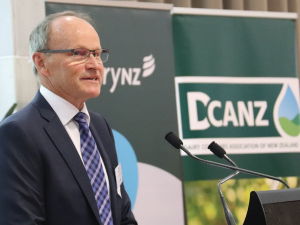
Alan Collins, managing director for Polaris Australia & New Zealand, says farmers and commercial operators alike will find the benefits of speed control and geofencing extremely useful as it enables them to take control of the safety of their workers.
“This is achieved by controlling ride boundaries due to unsafe conditions or high traffic areas, limiting speed due to challenging terrain or ensuring operators are riding at the appropriate speed for their experience level.”
www.polarisnewzealand.com