WorkSafe Safety Push Reveals Major Farm Safety Gaps Across New Zealand
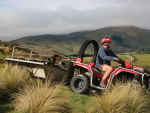
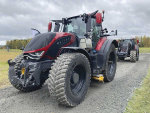
A safety push across New Zealand has revealed significant gaps in hazardous substances management, farm vehicles, tractors, quad bikes and side-by-sides.




 increase font size
 WorkSafe chief executive Phil Parkes (pictured) will depart the role at the end of the year.
WorkSafe New Zealand is reviewing operations, looking for savings.
As part of this process, WorkSafe says it is consulting with staff on a change proposal.
"This proposal prioritises our front line and core roles and focuses non-personnel savings over role reductions," it says.
"When the organisational change has been completed and the recommendations of the review implemented, WorkSafe will be in a better position to build our investment case for sustainable funding."
WorkSafe board chair Jennifer Kerr also announced that chief executive Phil Parkes will leave his role at the end of this year.
"Phil has been a strong voice for the need to collectively prioritise health and safety," says Kerr. "It has been clear to me in interactions I have had, particularly with system partners, that Phil's commitment and passionate and articulate advocacy for health and safety is highly respected."
Parkes will continue as chief executive while the organisation works through the change process and plans to finish up with WorkSafe by the end of 2023.
"It's been a privilege to have worked with such a dedicated team who are committed to reduce work-related harm across Aotearoa," Parkes says.
He says work-related fatalities have fallen since 2013, but that there is "more to do".
A safety push across New Zealand has revealed significant gaps in hazardous substances management, farm vehicles, tractors, quad bikes and side-by-sides.
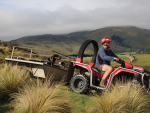
Decisions you make in an instant on the farm can be the difference between life and death.
WorkSafe New Zealand is calling on farmers to consider how vehicles move inside their barns and sheds, following a sentencing for a death at one of South Canterbury’s biggest agribusinesses.
Following a sentencing for a death at a South Canterbury agribusiness, WorkSafe New Zealand is calling on farmers to consider how vehicles move inside their barns and sheds.
WorkSafe is recommending the dairy industry reassess its use of slide pulsators, following a recent death in a Waikato milking shed.



Fonterra Co-operative Group chief financial officer Andrew Murray has resigned to take up a role outside the dairy giant.
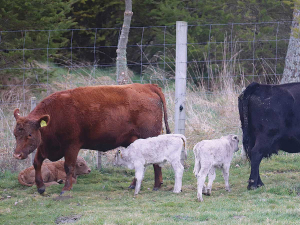
A major move is about to get underway to improve the quality and viability of dairy beef and cattle in NZ.
Veterinarians say changes to the code of welfare for dairy cattle provides a positive foundation for improved cattle welfare across the country.
Today, 15 October, is the International Day of Rural Women, which recognises rural women’s contribution to farming, communities and the environment.
Global dairy giant Lactalis has integrated its Australian operations with the Mainland Dairy consumer business it acquired from Fonterra earlier this year.
High country stations, mixed sheep and beef farms, Māori-owned farms, corporates and family operations are among the nine commercial farms taking part in the Livestock Innovation Farming Transformation programme, known as LIFT.


OPINION: It seems Canterbury processor Synlait is still in the doldrums.
OPINION: Get offside with New Zealand First leader Winston Peters at your own peril.




