
Leon Fung confirmed as Synlait CEO
Canterbury milk processor, Synlait Milk has confirmed Leon Fung as its chief executive officer.




 increase font size
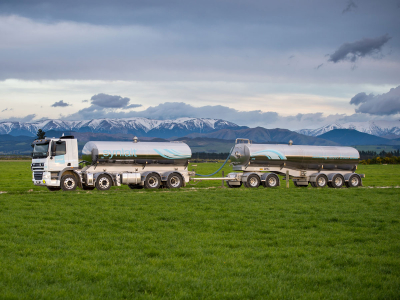
Canterbury milk processor Synlait has delivered an impressive full-year result.
For year ending July 31, the company’s net profit jumped 10% to $82 million. It paid out an average milk price of $6.58/kgMS.
For the first time, Synlait’s annual revenue exceeded $1 billion.
Synlait Chair Graeme Milne says it’s a very pleasing result to be able to announce.
Synlait chief executive Leon Clement says three things stood out for him.
“Firstly, we delivered a strong financial result, supported our customers to grow and create value, while improving our operational efficiency.
“Secondly, we invested in our future by bringing on new facilities and people capability that position us well for continued growth.
”Finally, we clarified and focussed our direction with a new purpose, ambition and strategy, that aligns our people and stakeholders to a common goal.
“In summary, our team delivered a strong result, invested in our future, and clarified our direction.”
Synlait’s financial result was characterised by ongoing growth in infant nutrition volumes, strong efficiency gains (signalled at half year), and an expansion in lactoferrin capacity and resulting sales. These three factors help contribute to an increase in total gross profit of 12%.
Expenditure lifted in line with this growth, but importantly much of this increased investment was in areas that support future opportunities. Notably, operating cashflow increased 39% to $136.7 million, reflecting the strong underlying performance of the business and ability to fund our investment programme.
Synlait’s financial performance was supported by our sustainability agenda as we progressed commitments made last year.
Delivering results
• Revenue exceeded $1 billion for the first time, increasing 17% to $1,024.3 million;
• Net profit increased 10% to $82.2 million;
• Operating cashflow increased 39% to $136.7 million;
• Sales volumes increased 21,093 MT or 16% to 149,730 MT ;
• Consumer packaged infant formula volumes continued to grow, up 21% to 42,907 MT; and
• Average milk price of $6.58/kgMS for the 2018/2019 season, made up of a base milk price of $6.40 and an additional $0.18 in incentive payments.
Canterbury milk processor, Synlait Milk has confirmed Leon Fung as its chief executive officer.
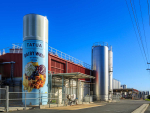
Waikato milk processor Tatua has again declared a record milk payout to farmer shareholders, leaving other processors in the dust.
Synlait has swung to second-half profit as operations stabilise, but the dairy processor still posted a $75.4m annual loss.
OPINION: It seems Canterbury processor Synlait is still in the doldrums.
Speculation of a possible joint move by Fonterra and a2 Milk to buy Synlait raises a much bigger strategic question, says agribusiness expert Dr Nic Lees.


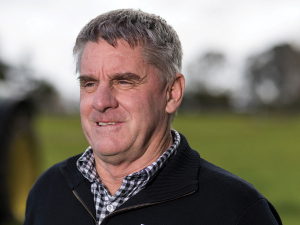
Federated Farmers has welcomed new rural policies released by ACT, saying they align closely with its own election priorities.

Rural Contractors NZ says proposed changes to land transport rules for agricultural vehicles are a welcome response by the Government to out of date regulations which have seen members hit with huge fines.
Alliance is calling for final applications for its 2027 Graduate Programme, with applications closing on Sunday 25 October.
Decades piloting planes has ensured vet and farmer David Hayes is focused on safety. So, after a serious accident while welding on farm, he is sharing his experience so others can learn from it.
Canterbury milk processor, Synlait Milk has confirmed Leon Fung as its chief executive officer.
OPINION: Making it easier to collect rainwater and use it to grow crops and livestock is a no brainer.

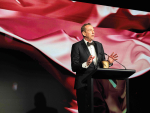
OPINION: It seems Canterbury processor Synlait is still in the doldrums.
OPINION: Get offside with New Zealand First leader Winston Peters at your own peril.




