
Tatua Final Milk Price $12.42/kgMS, Outlook Positive
After delivering another record farmgate milk price to 100 supplying farms, independent milk processor Tatua is entering thee new financial year with a positive outlook.




 increase font size

WAIKATO DAIRY processor Tatua's payout for the 2012-13 season is $7.40/kgMS, described as "stunning" by a Federated Farmers member and Tatua shareholder.
The company has also declared a pre-tax retention of $1.17/kgMS. This retention will be used for investment in new plant to support its strategy of growing its specialised added value business.
Tatua achieved a revenue of $229.7 million and earnings of $107.4 million in 2012-13.
The prices for its bulk ingredient products rose steadily throughout 2012-13 and its product mix is favourable versus milk powder. All of its recent investments in new specialised product plants performed well and to their business case expectations, the co-op says.
The cooperative's gearing ratio (of debt divided by debt plus equity) decreased to 28% from 34% in 2011-12.
Milk supply from Tatua suppliers was 12.5 million kgMS, compared to 13.2 million kgMS in 2011-12. This was due to the drought conditions which affected the Tatua collection area in the second half of the year.
"Demand for our products remained firm throughout the year and our product mix returns were favourable," the company says. "Foreign exchange management continues to be a challenge with the New Zealand dollar remaining elevated throughout the year. Our foreign exchange hedging policies have mitigated the impact of this.
"In announcing a very strong result for 2012-13 we are mindful that the 2013-14 year will be more challenging. Our product mix of caseinate and anhydrous milk fat is lower returning currently than milk powder and, if this continues for the balance of the year it will be more difficult for us to match the financial performance of the milk powder companies. It is still early days but the signs are there that 2013-14 will be a less competitive year for Tatua.
"Despite this the company continues to focus on all aspects of sustainability; environmental, financial and social. Our 99-year-old company is made up of 87 farming families and 280 employees and their respective families. Long-term confidence and stability for our farming families, staff and our customers is paramount, to allow Tatua to continue its strategy of adding value to our Shareholders milk.
"The Company enters its 100th year in 2014 in good heart and looks forward to celebrating its centenary."
David Fish, a Federated Farmers member and Tatua shareholder says the cooperative has always been a high performer and this is more than impressive. "It is stunning," he says.
"An after retention payout of $7.40/kgMS leaves every other dairy processor trailing in our wake. Fonterra, after all, announced last week a combined milk and dividend payout of $6.16/kgMS.
"When we use the word retention, Tatua is retaining $1.17/kgMS to grow the cooperative as a business. This means the amount available for payout to Tatua shareholders was a mighty $8.57/kgMS.
"Part of Tatua's current success is less focus on milk powder and a greater focus on specialised food ingredients. If there are dark clouds, it is possibly the stubbornly high Kiwi dollar and the high current value of milk powder.
Recently milk powder has surged in price but in the long run, Tatua's value-add strategy will deliver shareholders more consistent results, says Fish.
"As shareholders we also know the DIRA clock is ticking. Within the next two seasons, Tatua will need to ensure it has sufficient milk supply and that would seemingly give us several options. We could widen the shareholding or we will need to sign commercial agreements for extra raw milk.
"I guess we could do both because Tatua's balance sheet is incredibly healthy and the coop is performing extremely well."
After delivering another record farmgate milk price to 100 supplying farms, independent milk processor Tatua is entering thee new financial year with a positive outlook.
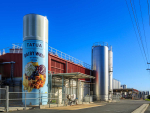
Waikato milk processor Tatua has again declared a record milk payout to farmer shareholders, leaving other processors in the dust.
OPINION: Succession and long-term planning are perennial topics because it is perpetually sidelined on busy farms.
OPINION: The stats speak for themselves.
Farms across the upper North Island are trialling different pasture mixes as part of a research programme that aims to build greater resilience into farming systems.



National’s pledge to introduce 19 new national standards shows the party is serious about getting Wellington out of farming, Federated Farmers says.

The National Party’s policies to make it easier to grow fresh vegetables, secure reliable water and energy and simplify farm planning are practical changes that will give growers the confidence to invest, according to Horticulture New Zealand (HortNZ).
Fonterra Co-operative Group chief financial officer Andrew Murray has resigned to take up a role outside the dairy giant.
A major move is about to get underway to improve the quality and viability of dairy beef and cattle in NZ.
Veterinarians say changes to the code of welfare for dairy cattle provides a positive foundation for improved cattle welfare across the country.
Today, 15 October, is the International Day of Rural Women, which recognises rural women’s contribution to farming, communities and the environment.




OPINION: It seems Canterbury processor Synlait is still in the doldrums.
OPINION: Get offside with New Zealand First leader Winston Peters at your own peril.




